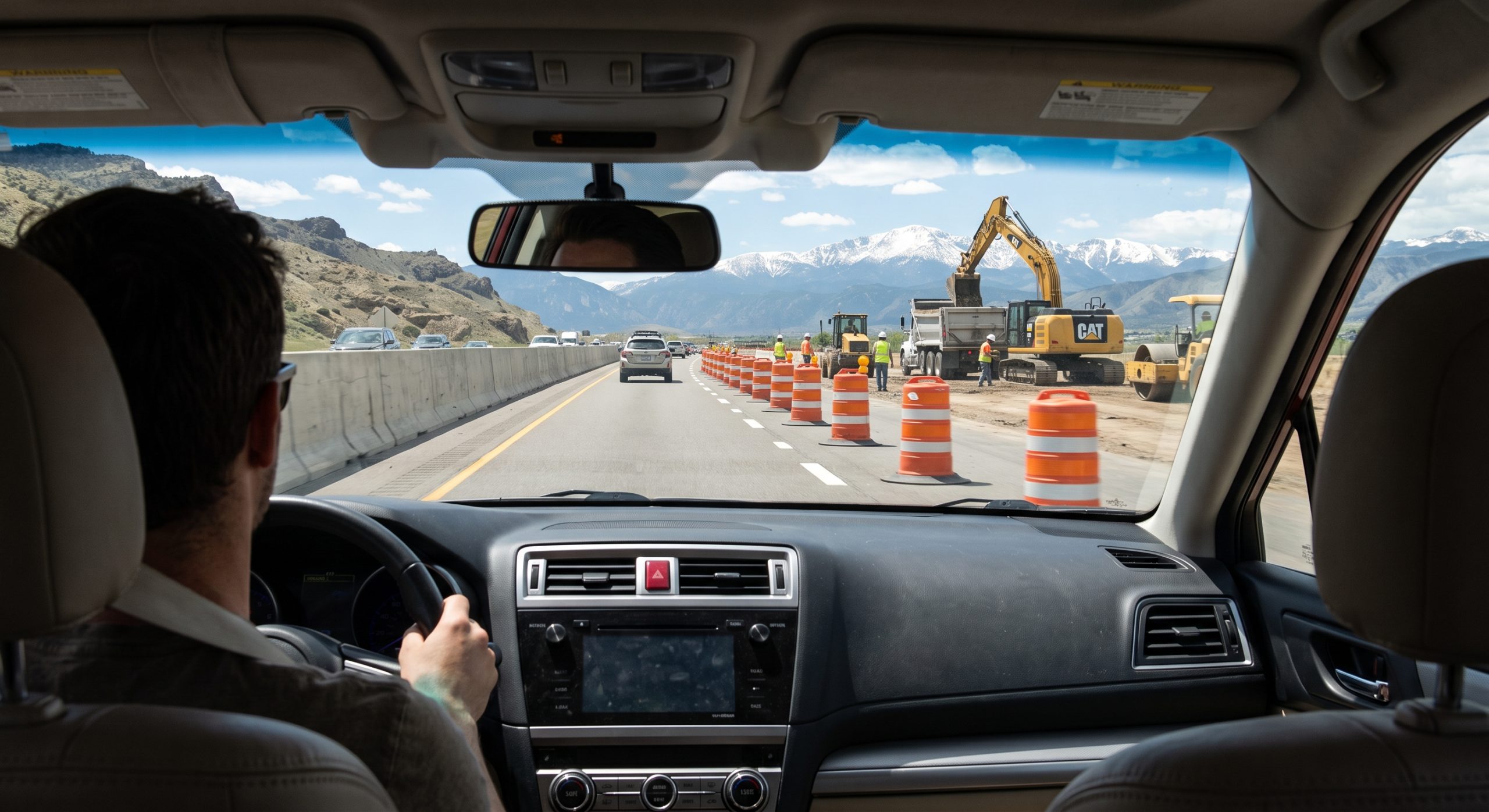
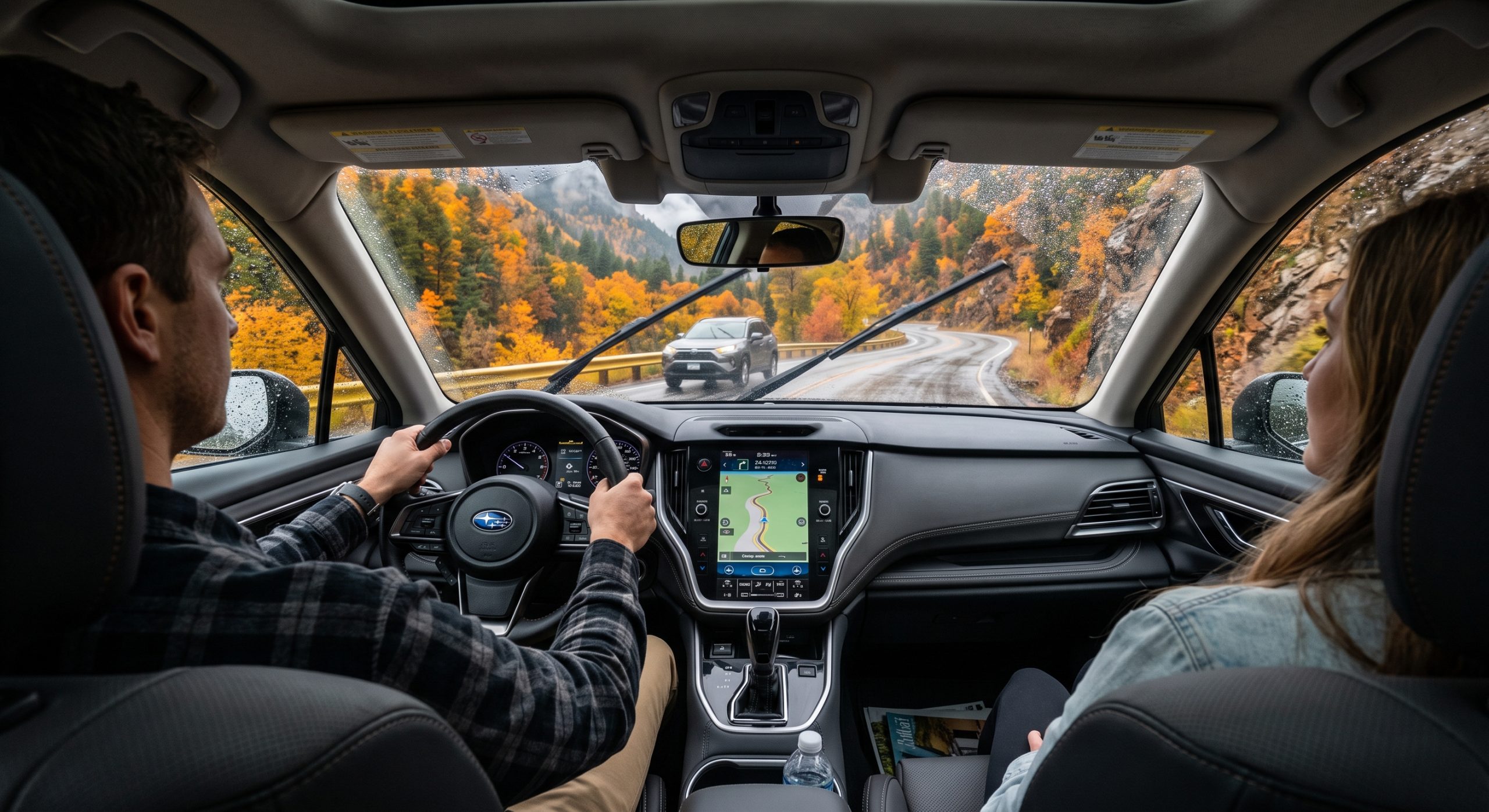
Living and driving in Eagle County, we all know the drill when a big storm hits. The plows run 24/7, the chain laws go up on Vail Pass, and drivers naturally slow down. But in our experience running West Vail Towing, the most dangerous time isn’t always during the blizzard—it is often the days in between, when the sun is out and the roads look fine.
A bluebird day in the Rockies can offer a false sense of security. As any long-time local can tell you, winter driving rules apply every single day from autumn to spring, not just when the snow is falling.
We have been helping travelers navigate these mountains since 1970, so we know a thing or two about how fickle the Rockies can be. Here is what you need to know to stay safe on Vail Pass and throughout Eagle County this season.
1. The Colorado Traction Law is Seasonal (Not Optional)
Many drivers assume that the Traction Law only applies when the lights are flashing on the highway signs. This is a dangerous misconception.
The Colorado Traction Law is in effect on I-70 (from Dotsero to Morrison) constantly from September 1st through May 31st, regardless of the weather forecast.
Colorado Commercial Vehicle Chain Law
To drive legally and safely through our service area, your vehicle must meet one of these requirements all winter long:
-
4WD/AWD: You have a Four-Wheel or All-Wheel Drive vehicle.
-
Winter Tires: You have snow tires with the Mountain-Snowflake symbol.
-
Tread Depth: All tires must have a minimum of 3/16-inch tread depth. (If you can see the top of George Washington’s head on a quarter inserted into your tread, you are safe).
Why it matters: If you spin out and block traffic because your tires weren’t compliant, the fines can be steep—over $650 in some cases. More importantly, you put yourself and others at risk.
2. The “Black Ice” Betrayal
When the high-altitude sun hits snowbanks on the shoulder, the snow melts and runs across the highway. As soon as the sun dips behind the mountains—which happens early in the afternoon in the Vail Valley—that water refreezes instantly into invisible black ice.
-
Local Tip: If a stretch of road is in the shade, assume it is icy, even if the rest of I-70 is dry.
-
Danger Zones: Be hyper-aware on bridges and overpasses. Cold air flows underneath them, causing them to freeze faster than the rest of the road.
3. The Vail Pass Elevation Change
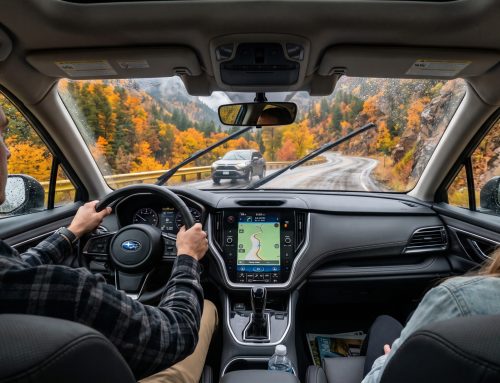
Vail Pass is a unique beast. You might leave our shop in West Vail under sunny skies, but as you climb from 8,000 feet to over 10,000 feet, temperatures drop drastically.
We often recover vehicles that were driving perfectly fine in town but lost traction near the summit. Wet roads at lower elevations become ice rinks at the top of the pass. Just because the sky is clear doesn’t mean you should drive like it’s July.
4. Don’t Skip the Pre-Pass Pit Stop
Before you tackle the Pass or head down valley towards Eagle, take five minutes to ensure your rig is ready.
Make a quick pit stop at West Vail Shell to fill your tank and—crucially—refill your washer fluid reservoir.
-
The Issue: Winter driving involves massive amounts of road spray from melting snow and road salts. This spray is dirty and thick.
-
The Fix: You need washer fluid rated for -20°F or lower. If you run out halfway up the pass, you will be driving blind.
Stuck in a Slick Spot? We Are Local and Ready.
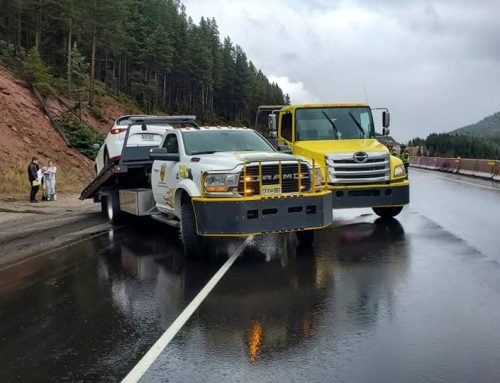
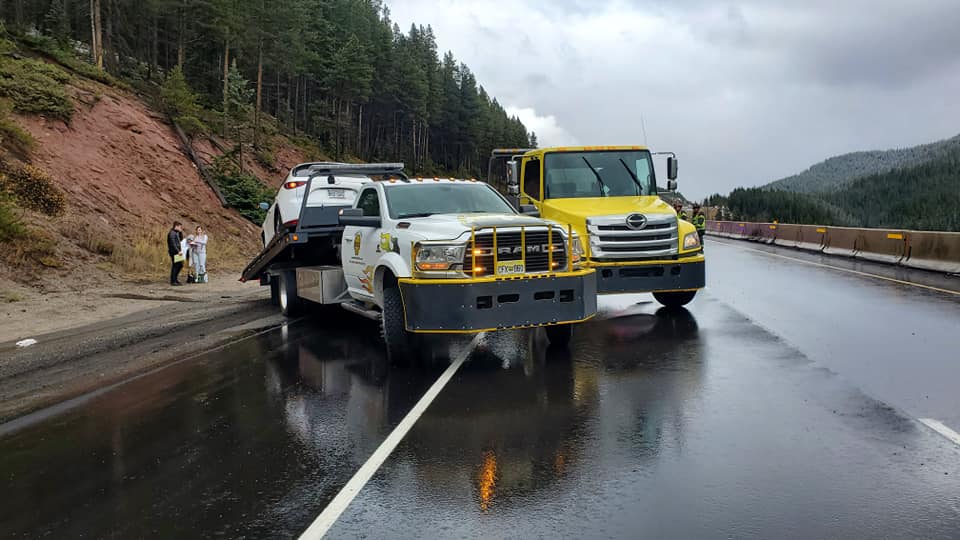
Sometimes, despite your best efforts, compliance with the law, and defensive driving, gravity wins. You might hit a patch of black ice on a shadowy corner or slide off the shoulder.
If that happens, don’t panic. West Vail Towing serves the entire Eagle County area and Vail Pass. We are locals, we know every curve of these roads, and we have the heavy-duty equipment to recover you safely.
Our Service Area Includes:
Save This Number Now
Don’t wait until you are stranded with one bar of service to look for help.
West Vail Towing: 970-476-3394 Local. Reliable. Helping travelers since 1970.