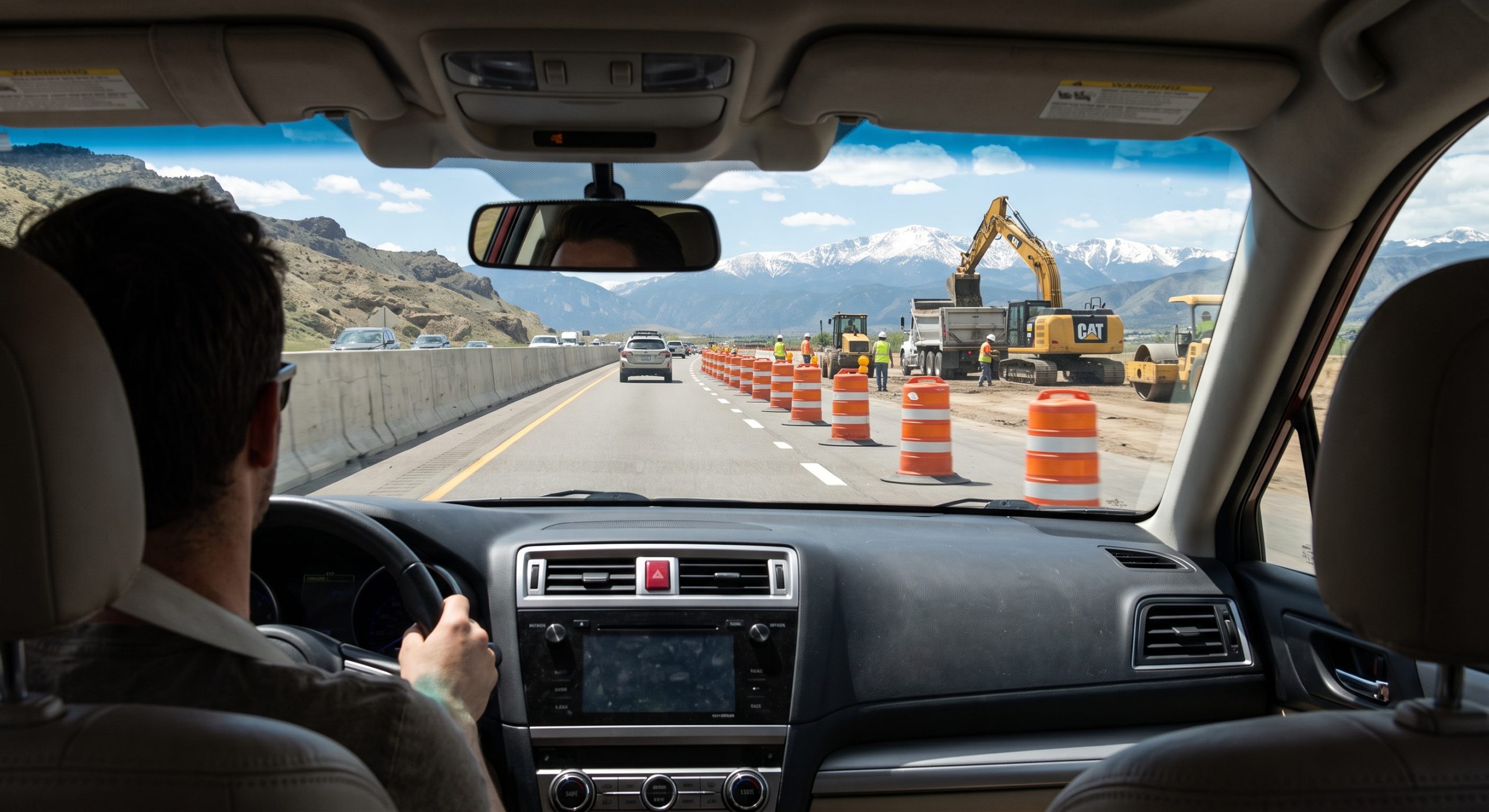
Whether you are commuting to work, heading out on a weekend road trip, or navigating the busy I-70 mountain corridor, encountering a construction work zone is an inevitable part of driving. While these infrastructure improvements are necessary for the long-term safety and efficiency of our roadways, navigating them in the present can be highly stressful. With narrowed lanes, sudden shifting traffic patterns, concrete barriers, and heavy construction equipment operating just inches from your vehicle, work zones require heightened attention and incredibly careful maneuvering.
According to the Federal Highway Administration, work zone crashes account for a staggering number of injuries and fatalities each year. The vast majority of these incidents are preventable and are often the result of speeding, distracted driving, or following too closely.
Before you find yourself navigating a maze of orange cones and flashing lights, let’s review some essential tips for staying safe on the road, as well as the critical steps you must take if you encounter car trouble or a breakdown in the middle of a restricted work zone.
1. Essential Work Zone Safety Tips
The key to safely navigating a work zone is anticipation. You cannot drive through a construction zone on autopilot; you must actively adjust your driving habits to match the environment. Make sure to integrate these crucial defensive driving strategies into your routine:
- Pay Close Attention to Signs: Advanced warning signs are placed miles ahead of the actual work zone for a reason. These orange diamond-shaped signs are your first line of defense. They indicate upcoming lane closures, mandatory speed limit reductions, shifting pavement, and potential hazards like uneven lanes or steel plates. Heed these warnings well before you enter the actual work zone so you are not caught off guard.
- Double Your Following Distance: Because traffic in work zones can come to a sudden and complete halt, the standard “two-second rule” for following distance is no longer sufficient. Stretch the gap between your car and the vehicle ahead to a minimum of four to five seconds. This extra space gives you the crucial reaction time needed to brake safely if the driver in front of you slams on their brakes.
- Understand the “Zipper Merge”: If a lane closure is indicated, driver etiquette can sometimes become confusing. If traffic is moving at highway speeds, you should merge safely and early. However, if traffic is heavily congested and crawling, traffic experts recommend the “zipper merge.” This means using both lanes all the way to the merge point, and then taking turns (like the teeth of a zipper) entering the single open lane. This reduces traffic backups significantly. Pay attention to local signage, as some work zones will explicitly instruct you on how to merge.
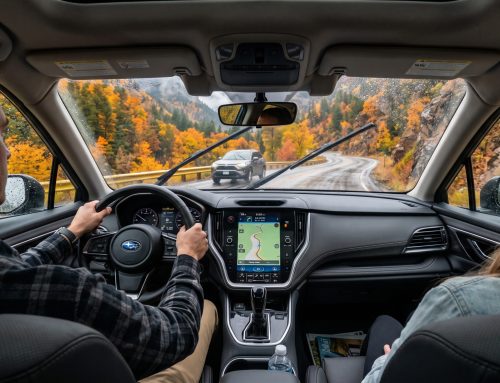
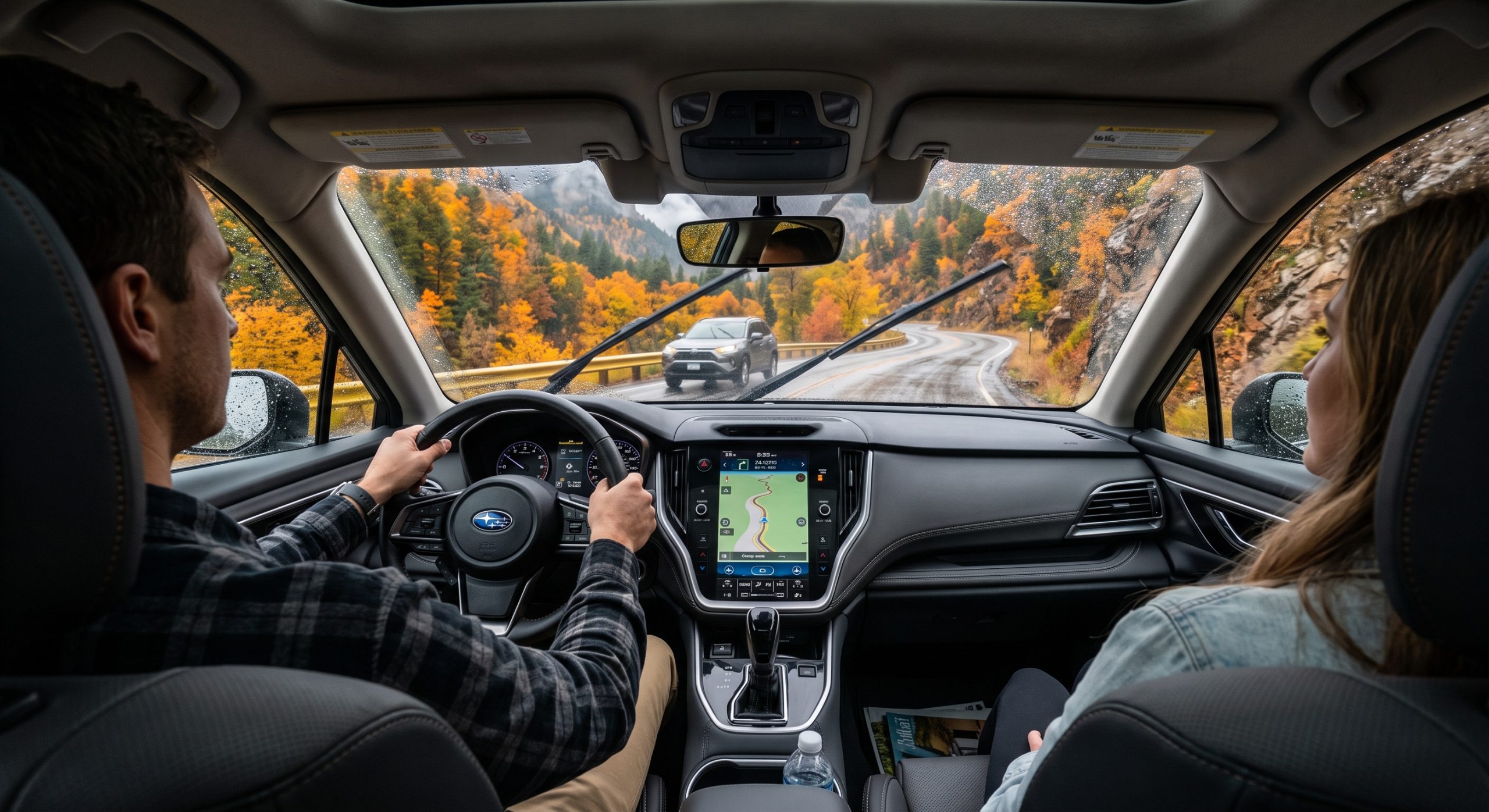
- Eliminate All Distractions: Your full, undivided attention needs to be on the road. Put your phone out of reach, turn down the radio, program your GPS before you start driving, and ask passengers to keep conversations to a minimum. A split-second distraction in a narrowed lane bordered by concrete barriers can result in a devastating sideswipe or collision.
- Respect the Flaggers: Flaggers play a vital role in keeping both drivers and construction crews safe. They are often managing complex, alternating traffic flows. Always obey their instructions, make eye contact if possible, and be patient. Keep in mind that the fines for disobeying a flagger or speeding in a work zone are often doubled.
2. Dealing with Car Trouble in a Work Zone
Experiencing a breakdown, an engine failure, or a blowout is inconvenient anytime, but it becomes exponentially more dangerous in a work zone. The lack of emergency shoulders and the presence of fast-moving traffic create a high-stress scenario. If your vehicle starts having issues, follow these crucial steps:
- Do Not Stop in the Active Lane: This is the most important rule. If your car is still drivable—even minimally—do everything in your power to get out of the active traffic lane. Even if it means driving on a flat tire and risking damage to your wheel rim, it is vastly preferable to being rear-ended by highway traffic. Look for a designated work zone pull-off area, a wider shoulder, or an exit ramp. As an absolute last resort, if you have no other options, carefully pull into the closed-off work zone area itself to escape the active traffic lane and call for help.
- Make Yourself Highly Visible: The moment you realize you are in trouble, turn on your hazard lights. If it is dark or visibility is low, turn on your interior dome lights as well. This alerts other drivers that you are experiencing an emergency and are moving slower than the flow of traffic.
- Stay Inside Your Vehicle: If your car dies and you absolutely cannot reach a safe shoulder, the safest place for you and your passengers is inside your vehicle with your seatbelts securely fastened. Do not attempt to exit your car, especially on the side closest to traffic. Standing outside your vehicle in a narrow work zone lane is incredibly dangerous.
- Pinpoint Your Location: Take a deep breath and stay calm. Look around for identifying markers. Note the nearest mile marker, exit number, cross street, or specific highway signs. Tow truck dispatchers will need this exact information to find you quickly, especially in shifting construction zones where landmarks may look different.
- Call for Help Immediately: Once you are as safely positioned as possible, call for professional assistance. If you are stopped in an active lane of traffic and are in immediate danger of being struck, call 911 first so law enforcement can secure the scene. If you are on a shoulder or pull-off, contact a reputable, heavy-duty towing service right away.
3. Why Calling a Professional is Essential
It might be tempting to try and save a few dollars by changing a flat tire yourself or popping the hood to diagnose a steaming engine. However, attempting DIY roadside repairs in a confined work zone with limited space and fast-moving traffic is a recipe for disaster.
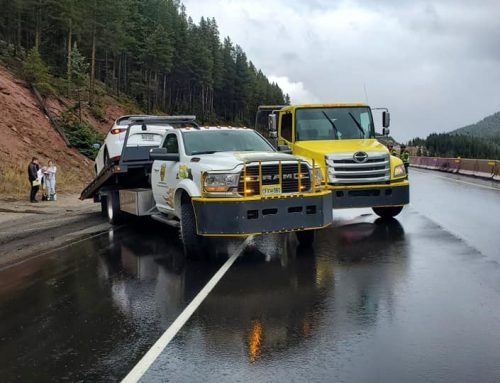
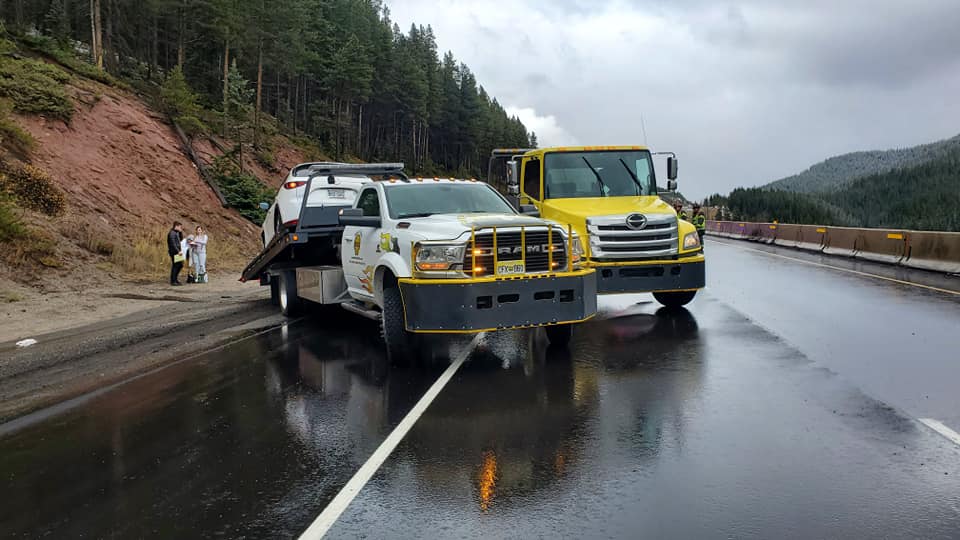
- Scene Safety and Visibility: Tow truck operators do more than just move cars; they manage dangerous scenes. They arrive equipped with high-visibility emergency lighting, reflective gear, and safety cones. A professional tow truck acts as a highly visible buffer between your disabled vehicle and oncoming traffic, forcing other drivers to slow down and move over.
- Specialized Equipment and Expertise: Work zones often have uneven ground, soft shoulders, or steep drop-offs right next to the concrete barriers. Attempting to use a standard car jack in these conditions can cause the vehicle to slip and crush you. Professional towing companies have flatbed trucks, heavy-duty winches, and the proper lifting equipment to extract your vehicle safely, regardless of the terrain.
- Speed and Efficiency: When you are stranded in a construction zone, every minute counts. Towing professionals have the experience to hook up your vehicle swiftly and clear the hazard from the roadway, minimizing your exposure to danger and reducing traffic congestion for everyone else.
- Peace of Mind: Knowing that highly trained experts are on the way allows you to focus on the most important thing: keeping yourself and your family calm and safe inside your vehicle until help arrives.
The Bottom Line
Navigating work zones safely requires focus, patience, and strict adherence to traffic laws and posted signage. Take your time, give other drivers plenty of space, and put down the phone.
If you find yourself stranded in one of these challenging areas, you must prioritize your physical safety above your vehicle. Never risk your life to save a tire. Remember, West Vail Towing is always here to help. Our experienced, locally-based team understands the unique challenges of mountain highways and complex construction zones. We are fully equipped with the right trucks and the right training to handle roadside emergencies in the most difficult locations safely and efficiently.
Don’t risk your safety by attempting a roadside repair in a dangerous spot. If you experience car trouble in a work zone, on the shoulder, or anywhere else on the road, stay in your car and call West Vail Towing at (970) 476-3394. We are standing by 24/7, ready to assist you.