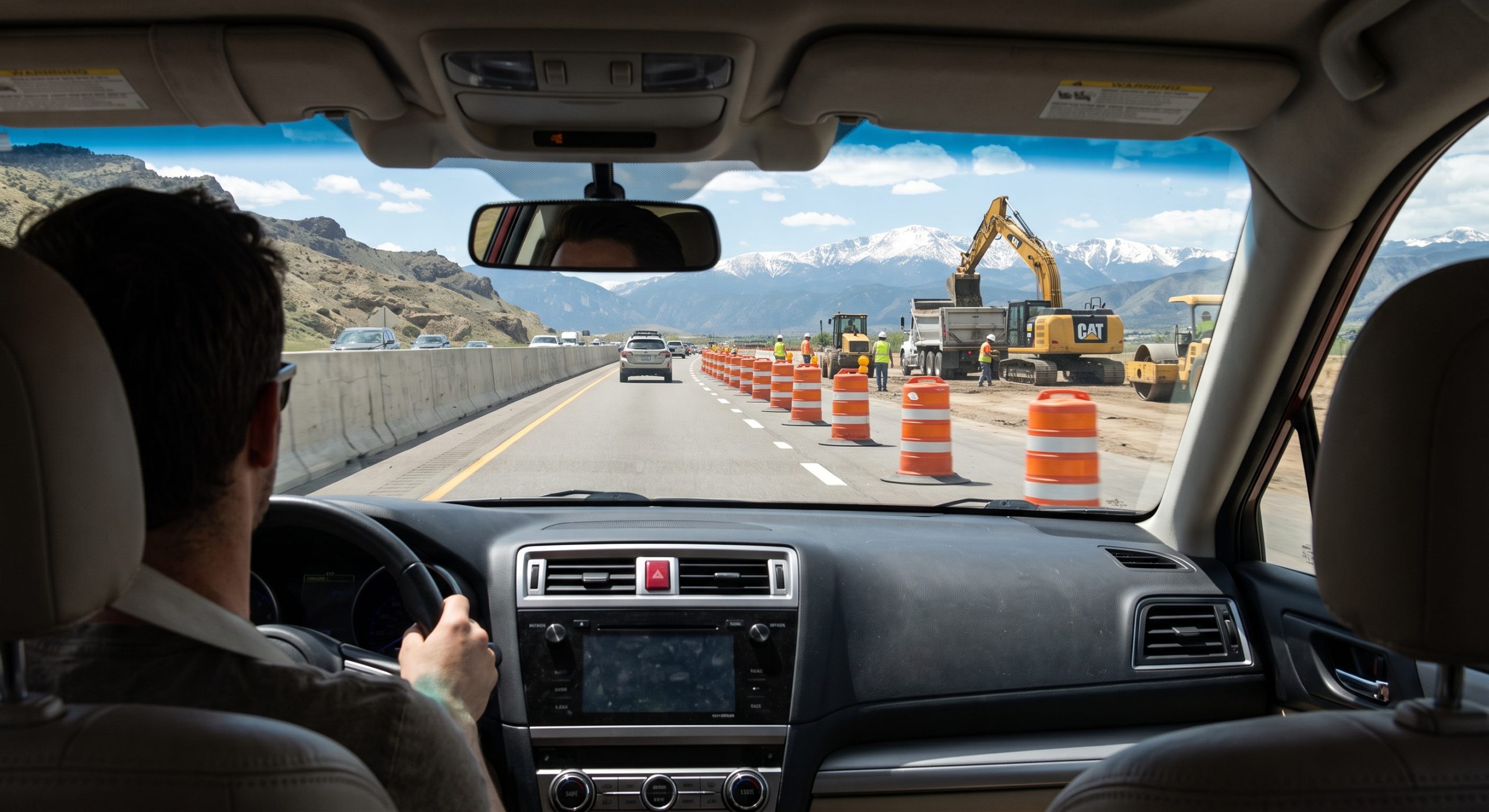
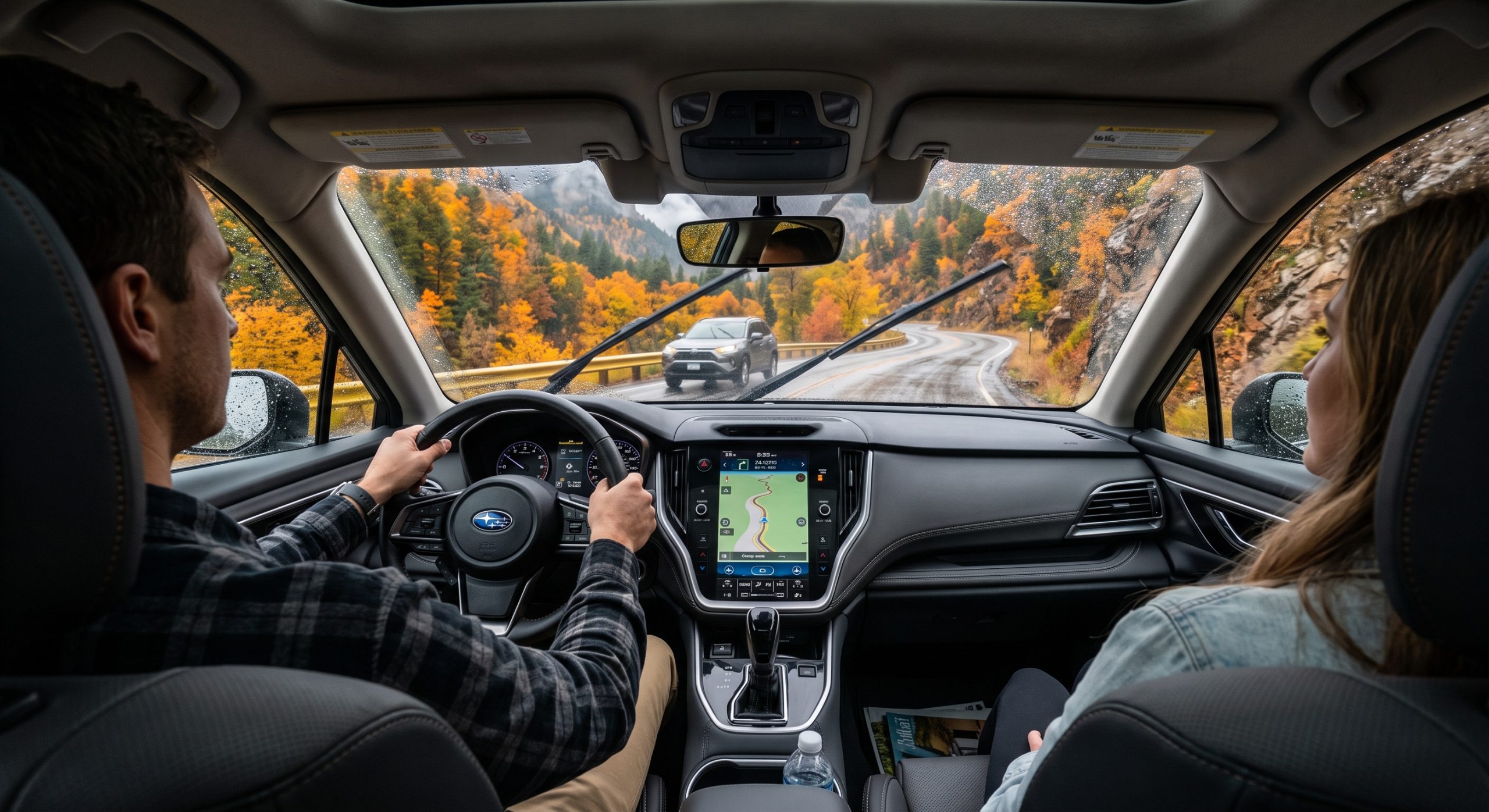
As we move deeper into November, the crisp, biting mountain air has officially settled across the Vail Valley, making one thing very clear: the fall season is ending, and the winter chill has arrived. While other parts of Colorado are currently dealing with unseasonal heavy moisture and unexpected flooding, here in Eagle County and across Vail Pass, we are experiencing the classic “in-between” season. The skies are overcast, the roads remain largely dry, but the temperatures are plunging well below freezing.
As local automotive experts at West Vail Shell and recovery specialists at West Vail Towing, we know that this dry but freezing transitional period is one of the most deceptive times of the year for motorists. When you look out and see bare asphalt, it is incredibly easy to assume your vehicle is perfectly fine and safe for the drive.
However, freezing temperatures do silent, heavy damage to vehicles before a single snowflake ever hits the ground. Getting stranded on the side of I-70 or broken down on Vail Pass in sub-freezing temperatures is dangerous, stressful, and almost entirely preventable. Waiting for the heavy snow to fall before winterizing your car is a gamble you do not want to take.
Here is a comprehensive look at how this early November freezing weather is already impacting your vehicle, how West Vail Shell can help you prepare, and why West Vail Towing is your best backup plan if the cold leaves you stranded.
1. The Invisible Enemy: Your Battery Under Pressure
When the temperature drops in November, your car battery is the very first component to suffer. This is not just an automotive myth; it is basic chemistry. At 32°F, a standard car battery loses about 35% of its starting strength, and that capacity plummets even further as overnight temperatures drop into the teens.
Because we have not yet had the heavy snow to keep people indoors, many drivers are still commuting, hiking, and traveling up and down the valley without realizing their battery is on its last legs. The starter motor requires significantly more current to turn over a cold engine, as the engine oil becomes thicker in low temperatures. If your battery is already weak from the summer heat, the November cold will expose it immediately.
- What You Should Do: Open your hood and visually inspect your battery terminals for any corrosion, which typically looks like a crusty white or blue powdery buildup. Clean this off with a wire brush and ensure the terminal connections are completely tight. Most importantly, have the battery load tested. A battery that started perfectly fine during our mild early autumn may not have the Cold Cranking Amps (CCA) necessary to handle a frigid mountain morning.
- Why It Matters: Being stuck with a dead battery in your own driveway is a frustrating delay. Being stuck with a dead battery at the 10,662-foot summit of Vail Pass when the wind chill is below zero is a genuine emergency.
2. Tire Pressure Plummets with the Temperature
Have you noticed your Tire Pressure Monitoring System (TPMS) warning light popping on during your morning commute lately? You are not alone. It is a very common misconception that tires only lose air when there is a puncture or a leak.
The physical reality is that for every 10-degree drop in the ambient outdoor temperature, your tires will lose approximately 1 to 2 PSI (pounds per square inch) of pressure. When you factor in the massive elevation changes in Eagle County—such as the steep climb up Vail Pass—the shifting atmospheric pressure only exacerbates the issue.
Driving on underinflated tires is a serious hazard, particularly on mountain corridors. It leads to:
- Reduced Handling and Traction: Your tires cannot grip the road properly, which is crucial for navigating sharp mountain curves.
- Decreased Fuel Efficiency: Underinflated tires create more rolling resistance, forcing your engine to work harder and burn more gas on uphill climbs.
- Premature Tread Wear: The edges of the tire will wear out much faster than the center, ruining a set of expensive tires prematurely.
- Increased Risk of Blowouts: Heat builds up rapidly in underinflated tires at highway speeds, which can lead to catastrophic failure.
- Action Item: Take five minutes in the morning—when your tires are completely “cold” and have not been driven on for at least three hours—to check your tire pressure with a reliable gauge. Fill them to the recommended PSI found on the manufacturer’s sticker located inside your driver-side door jamb, not the maximum pressure listed on the tire sidewall itself. Additionally, inspect your tread depth. Colorado’s Traction Law can be implemented on I-70 at any time, meaning you need at least 3/16-inch tread depth or Mud and Snow (M+S) / winter-rated tires to travel safely and legally.
3. Swap Out Summer Fluids Before They Freeze
It is incredibly easy to forget about your vehicle’s vital fluids when the weather is still relatively dry, but early November is exactly when this transition needs to happen. Standard summer windshield washer fluid is composed mostly of water and will freeze solid inside your reservoir, fluid lines, and spray nozzles when Eagle County temperatures plunge overnight.
If you get stuck behind a commercial semi-truck kicking up dirt, morning frost, or magnesium chloride road grime on I-70, and your sprayers are frozen solid, your windshield will smear. You will quickly find yourself driving completely blind at 65 miles per hour.
- The Washer Fluid Fix: Drain or continuously spray out the remainder of your summer fluid immediately. Stop by West Vail Shell to pick up a winter-rated windshield washer fluid specifically formulated to withstand temperatures of -20°F or lower.
- The Engine Coolant (Antifreeze): Have you checked your antifreeze mixture recently? Engine coolant regulates your engine’s temperature, but if the mixture has too much water and not enough antifreeze, it can physically freeze inside your engine block overnight. Water expands as it freezes, which can crack the engine block or radiator, causing catastrophic and irreversible damage. A quick, inexpensive check of your coolant’s strength and mixture ratio using a hydrometer can save you thousands of dollars in engine replacements.
4. Beware of Hidden “Black Ice” On “Dry” Roads
Just because we have not seen heavy snowfall accumulating on the shoulders does not mean the roads are entirely safe. The transition period in fall is infamous for creating “black ice“—thin, nearly invisible sheets of ice that form tightly to the asphalt.
Even without active snowstorms, the fact that it is still raining across parts of the valley means there is ample surface moisture on the roads. This remaining rain, combined with morning dew, natural mountain runoff, or light fog, can freeze rapidly as overnight temperatures plummet. Because it forms without trapped air bubbles, black ice is completely transparent, taking on the dark color of the pavement beneath it. It looks like nothing more than a harmless wet patch on the road.
- High-Risk Areas to Watch:
- Bridges and Overpasses: These elevated structures freeze much faster than regular roads because the freezing cold air circulates both above the asphalt and underneath the bridge deck simultaneously.
- Shaded Curves: Sections of Vail Pass that are blocked from direct sunlight by trees or mountain peaks can remain icy and dangerously slick all day long, even when the rest of the highway is bone-dry and bathed in sun.
- High-Elevation Spots: The temperature drops significantly as you climb. What might be a perfectly dry, cool road down in Avon or Edwards can quickly become an icy, treacherous hazard as you ascend Vail Pass.
5. Why Modern Vehicles Need Specialized Towing
If the cold November weather does ultimately get the better of your vehicle and leaves you stranded, it is critically important to know how your specific car needs to be handled. A massive percentage of drivers in our mountain communities operate All-Wheel Drive (AWD) or 4-Wheel Drive (4WD) vehicles to handle the rugged terrain and inevitable snow.
However, modern AWD and 4WD vehicles (like Subarus, Audis, and Jeeps) cannot be towed traditionally with two wheels on the ground. Dragging an AWD vehicle can cause severe, permanent damage to the vehicle’s complex drivetrain, transfer case, and transmission systems.
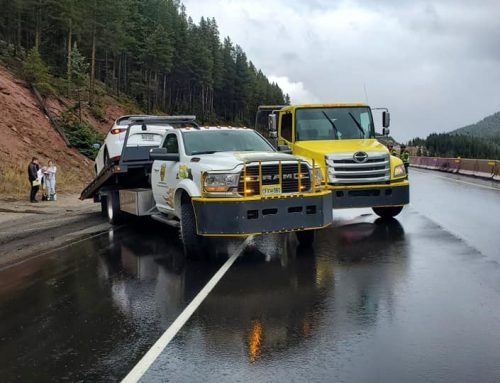
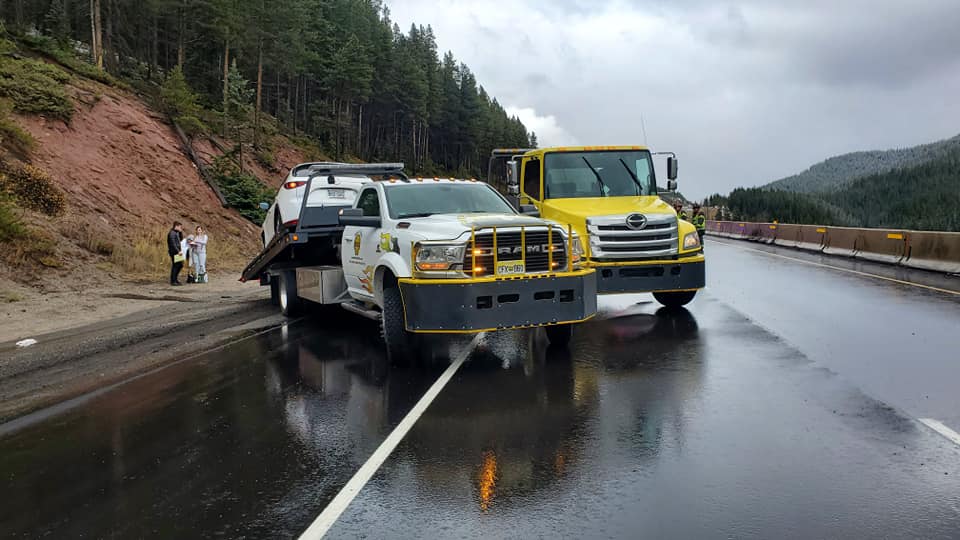
When you call for roadside assistance, you need a team that inherently understands mountain vehicles. At West Vail Towing, we utilize specialized flatbed tow trucks to ensure your vehicle is lifted entirely off the ground and transported safely. This method prevents any costly mechanical damage and gives you peace of mind that your investment is protected.
The Bottom Line
Do not wait for the first major winter blizzard to find out your car was not ready for the cold. Taking a few proactive steps today—testing your battery, airing up your tires, and visiting West Vail Shell to swap your fluids—can make all the difference in keeping you moving safely on the road this fall.
If you do find yourself in need of assistance, whether you have a dead battery in your driveway, a flat tire, or need a secure flatbed tow over Vail Pass, West Vail Shell and West Vail Towing have helped drivers since 1970. They are one of the biggest AAA towing services in Eagle County. Save our number in your phone right now, because you never want to find yourself stranded in the freezing mountain air without a trusted local partner ready to respond.