With the first day of fall officially kicking off tomorrow, the changing aspen leaves and crisp air are a beautiful reminder of what’s coming next. While we still have time before the deep winter freeze takes over, autumn in the Rockies brings its own unpredictable driving conditions. From sudden rain squalls to early sleet and slush on I-70, visibility is everything right now.
While most drivers remember to schedule their snow tire swap and check their antifreeze, there’s one crucial piece of safety equipment that often gets overlooked during the fall transition: your windshield wipers.
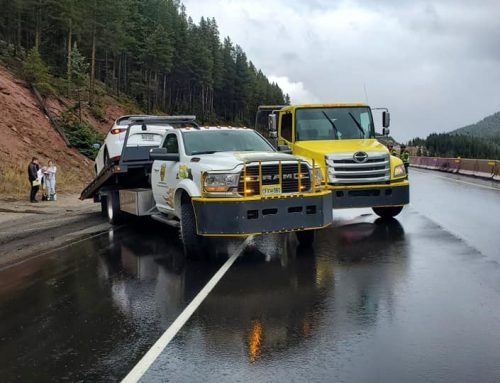
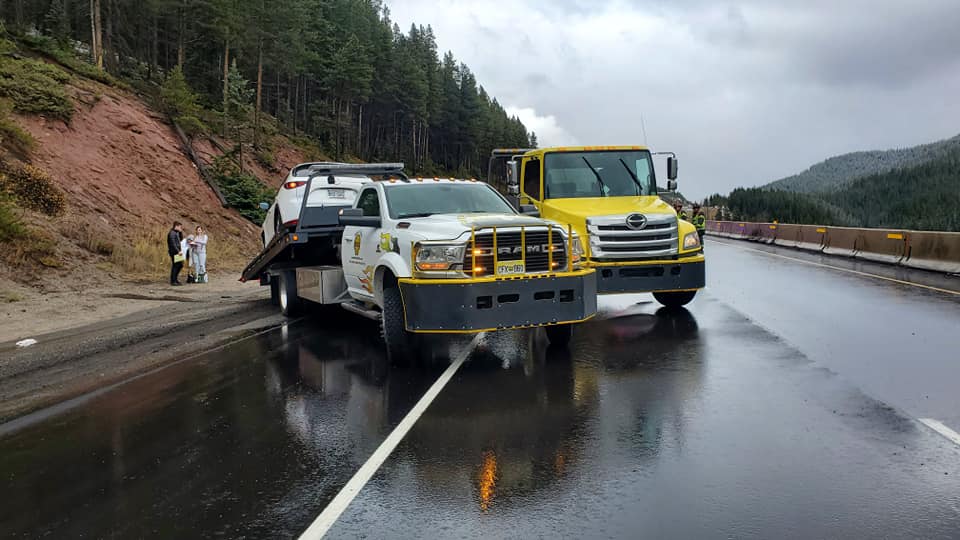
Here at West Vail Towing & Recovery, we respond to countless slide-offs and accidents that could have been prevented with better visibility. Here is your guide on when to replace your windshield wipers and why having a fresh pair is critical for navigating Vail and Eagle County this season.
1. Why High-Quality Wipers are Essential Right Now
Mountain driving means dealing with a lot more than just a light autumn drizzle. As we transition into fall, your windshield faces a relentless barrage of the elements:
- Autumn Sleet and Slush: Heavy, wet autumn snow and sleet can easily overwhelm weak or aging wiper blades, leaving a dangerous layer of slush on your glass.
- Road Grime and Mag Chloride: As temperatures drop, CDOT begins prepping and treating our mountain roads. When the roads are wet, other vehicles kick this muddy, salty slush directly onto your windshield. If your wipers can’t cleanly sweep it away, you’ll be left staring through a thick, blinding smear.
- Fluctuating Temperatures: The freeze-thaw cycle of Colorado autumns causes older, stiff rubber blades to warp and lift off the glass, drastically reducing their effectiveness.
2. 4 Signs It’s Time to Replace Your Wipers
Wiper blades typically last between 6 to 12 months, depending on the material and how much summer sun they were exposed to. You should inspect them today before the first major autumn storm hits. Look out for these four warning signs:
- Streaking and Smearing: If your wipers leave a hazy film or distinct streaks of water across your field of vision, the rubber edge has likely degraded or hardened from the summer heat. In the bright glare of the autumn sun, streaks can make it nearly impossible to see.
- Squeaking or Chattering: Your wipers should glide silently across the wet glass. If you hear a loud squeaking, dragging, or “chattering” sound, the rubber has dried out, stiffened, or the wiper arm itself is bent.
- Visible Damage to the Rubber: Lift your wipers off the windshield and inspect the blades edge-on. Do you see any cracks, tears, or missing chunks of rubber? Even a tiny tear can leave a large blind spot right in your line of sight.
- Skipping: If the blade skips across the windshield rather than making smooth, continuous contact, it means the blade has developed a “set” curve from sitting unused in the hot summer sun, or it has lost its tension.
3. Pro Tip: Upgrade to Winter Wipers Now
For Eagle County locals, standard summer wiper blades just won’t cut it once the temperatures drop. When replacing your blades this fall, ask for beam-style or winter-specific wipers so you are already prepared for winter.
- Winter Wipers feature a rugged rubber boot that covers the metal framework, preventing ice and snow from freezing the joints.
- Beam Blades are made from a solid piece of curved rubber and silicone, meaning there are no exposed metal parts for ice to stick to. They also apply more even pressure across the glass to handle heavy, wet autumn snow.
The Bottom Line
A good pair of windshield wipers is one of the cheapest and most effective ways to protect yourself, your family, and your vehicle this season. Take five minutes today to check your blades—before the fall weather turns into a winter storm over the Gore Range.
Of course, even the most prepared drivers can find themselves in a tough spot when mountain weather turns severe. If you ever find yourself dealing with a dead battery on a chilly morning, stuck in early season snow, or in need of a tow anywhere in Vail or Eagle County, West Vail Towing & Recovery is here to help. We have a fleet of fully equipped tow trucks and emergency service vehicles. Our rapid response roadside assistance team handles everything from jump starts and tire changes to heavy-duty off-road recoveries.
Don’t hesitate to give us a call if you ever need a hand on the road. Call West Vail Towing at (970) 476-3394, available 24 hours a day, 7 days a week, 365 days a year.