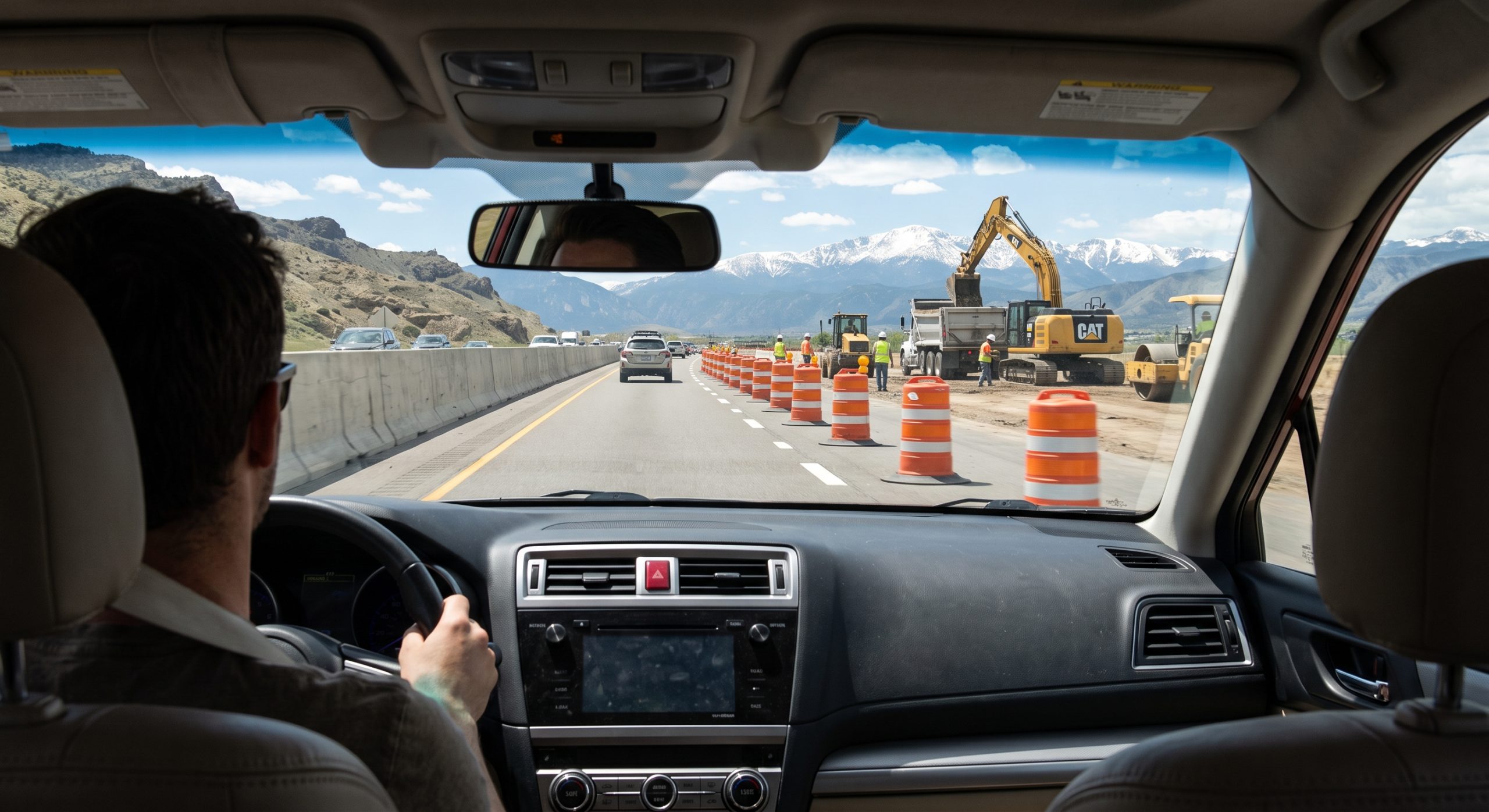
If you’ve checked the local weather models, you know there isn’t any precipitation expected soon. While this winter has yielded lower-than-usual snowfall, March in the Colorado high country remains highly variable. Weather patterns can shift abruptly later this spring, bringing sudden, severe conditions.
As we move into the final weeks of the ski season, driving on Interstate 70 (I-70) and local routes like Highway 6 requires specific precautions—even when the asphalt is completely bare.
Key Takeaways for March Driving in Vail, CO:
- Watch for Potholes: Extreme temperature swings are destroying local asphalt.
- Expect Heavy Traffic: Spring break brings high volume and unfamiliar drivers to the mountains.
- Test Your Battery: 50-degree days followed by 15-degree nights are a prime cause of dead car batteries.
- Commercial Drivers: Even on dry roads, commercial vehicles must legally carry chains on I-70 from Morrison to Dotsero until May 31st.
- Stay Prepared for Snow: Late-season storms can still hit at any time; keep emergency kits in your vehicle until May.
Here are the primary hazards the West Vail Towing team recommends watching for this month to ensure your vehicle stays safely in its lane.
4 Major Hazards on Vail Roads This March
1. Expanding Potholes and Deteriorating Asphalt
Despite the clear skies and reduced snowpack, the extreme temperature fluctuations between our intense afternoon sun and sub-freezing nights are severely damaging the roadways.
The constant expansion and contraction of the asphalt literally break the surface apart. We are already responding to tow calls for blown tires caused by deep craters along the interstate and frontage roads.
- Action Step: Watch the pavement closely, leave ample following distance to spot upcoming road defects, and verify your tire pressure is optimal to absorb impacts.
2. Spring Break Volume and Unfamiliar Drivers
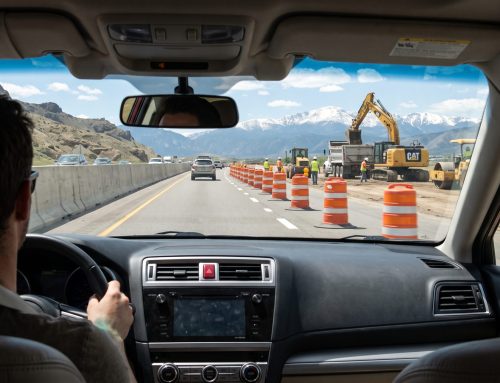
March brings an influx of Spring Break visitors to Vail and Beaver Creek. While tourism drives our local economy, the added volume pushes I-70 to its absolute limits. You will share the lanes with individuals navigating rented SUVs through mountain corridors for the very first time.
- Action Step: Allow extra travel time. Provide surrounding vehicles with plenty of space, prepare for abrupt braking, and assume the driver next to you lacks mountain driving experience.
3. Temperature Swings and Battery Failures
Many drivers associate dead car batteries exclusively with the sub-zero mornings of mid-winter. However, dramatic temperature shifts frequently destroy older batteries. Transitioning from 50 degrees during the day to 15 degrees overnight places heavy strain on your vehicle’s electrical components.
- Action Step: If your engine hesitates while starting in the morning, have the battery tested before you end up stranded in a freezing parking structure.
4. The Risk of Dry-Road Complacency
With zero precipitation currently predicted, drivers quickly adapt to traveling at full highway speeds. However, a dry stretch in Eagle County does not mean winter hazards have completely passed.
Severe snowstorms can still develop at any given moment in the Rocky Mountains. When atmospheric conditions eventually shift, late-season storm cells frequently deposit heavy, dense moisture that transforms Vail Pass into a slick, hazardous corridor almost instantly.
- Action Step for Commercial Drivers: Even though the roads are completely dry right now, Colorado law strictly requires all commercial vehicles traveling on the I-70 corridor between Morrison and Dotsero to carry chains until May 31st. Don’t risk a hefty fine by removing them from your rig early.
- Action Step for Passenger Vehicles: Take advantage of the clear driving conditions now, but maintain a high level of readiness. Keep your winter survival supplies (blankets, water, high-protein snacks, flashlight) in the trunk until at least May.
About West Vail Towing & West Vail Shell
Whether you damaged a rim on a concealed pothole, discovered a dead battery in the Lionshead parking garage, or require a transport to a local mechanic, West Vail Towing is fully operational 24/7. We navigate these routes daily, and our operators are equipped to manage the sudden challenges that late-winter driving presents in Colorado.
Did you know West Vail Towing and West Vail Shell are the exact same team? We have been proudly serving the Vail Valley since 1970. Not only can we get you safely off the side of the road, but we also operate Vail’s only 24-hour full-service gas station and convenience store.
Frequently Asked Questions (FAQ)
Q: What is the service area that you cover? A: We service the Vail Valley and most of Eagle County. This includes Vail, Vail Pass, Avon, Edwards, Eagle, Wolcott, Gypsum, and Dotsero.
Q: What roadside assistance do you offer? A: We offer jump starts, lockout services, winch recovery, fuel delivery, and off-road recovery. If you find yourself stuck and need one of these services, don’t hesitate to call us.
Q: What insurance providers do you work with? A: The insurances that we work with are AAA, Allstate, Cross Country, and many more. If you have questions about your specific insurance company, just give us a call!
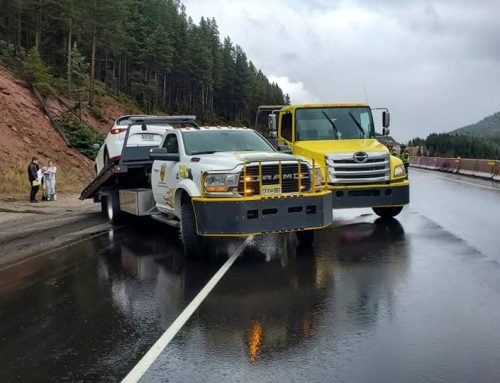
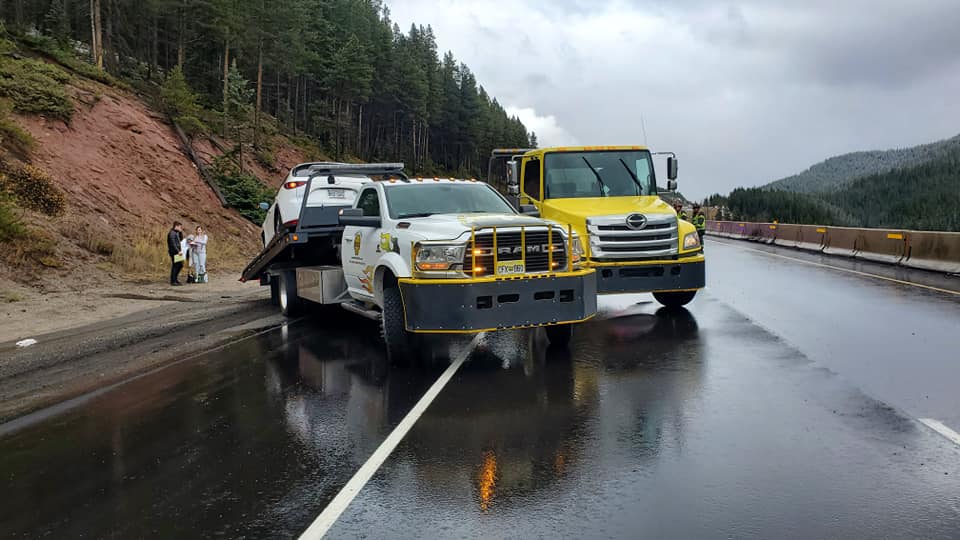
Q: How do I spot a West Vail Towing truck? A: When you call for assistance, keep an eye out for our distinct fleet. We will arrive in either our smaller white trucks featuring the Shell logo, or our large, heavy-duty yellow tow trucks, also proudly displaying the Shell emblem.
Q: Are West Vail Towing and West Vail Shell the same company? A: Yes! We are the exact same team, providing comprehensive roadside assistance, towing, and a 24/7 full-service gas station and convenience store.
Q: What is the contact information for West Vail Towing? A: Add us to your contacts today so you are prepared for the unexpected:
- Phone: (970) 476-3394
- Location: 2313 N. Frontage Rd W., Vail, CO 81657
Drive safely, enjoy the sunshine, and let’s navigate the late-winter driving season together!
Require roadside assistance, a tow, or just a quick pit stop? Contact West Vail Towing & West Vail Shell for prompt, professional service throughout the Vail Valley and the I-70 corridor.