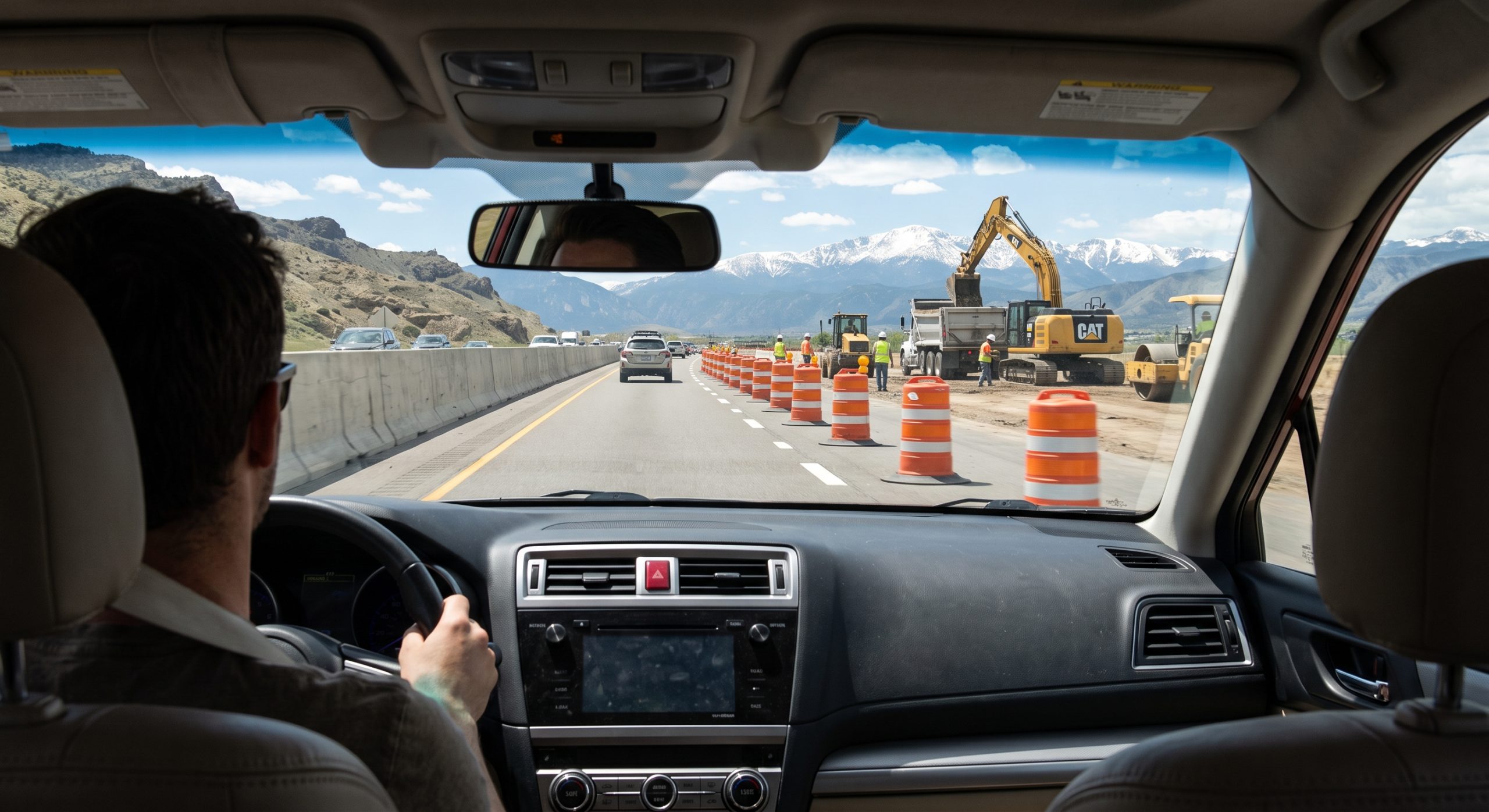
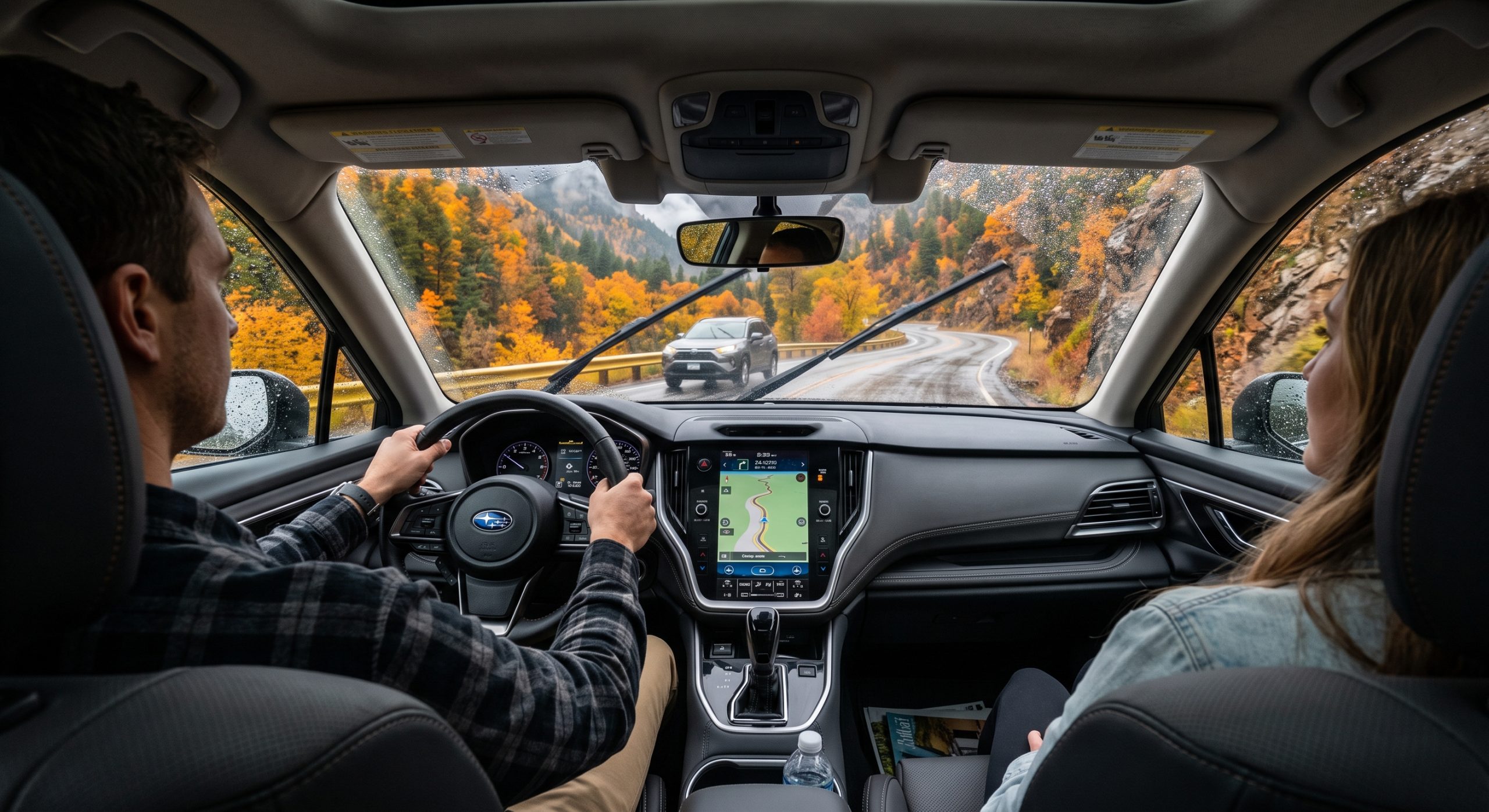
When fall daylight saving time ends, it’s more than just turning the clock back an hour—it also changes how we drive. In Colorado’s mountains, where winding roads and sudden weather shifts are already challenging, the shorter days and longer nights can make travel even trickier. Whether you’re heading over Vail Pass or driving through Eagle County after work, here’s what to watch for and how to stay safe.
Why the Fall Time Change Matters for Drivers
When clocks “fall back,” it means earlier sunsets and darker evenings, catching many drivers off guard. The sudden change also disrupts sleep schedules, which can impact alertness and reaction times—especially during that first week after the shift.
Studies show that accident rates often increase right after the fall time change, as drivers adjust to dimmer commutes and fatigue. In the mountains, where visibility is already limited by terrain and elevation, that extra drowsiness or glare can make a big difference.
Changing Light and Fall Road Conditions
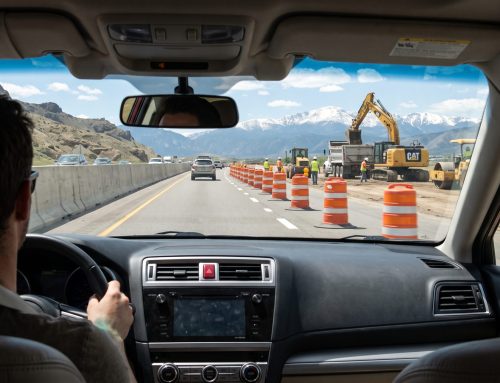
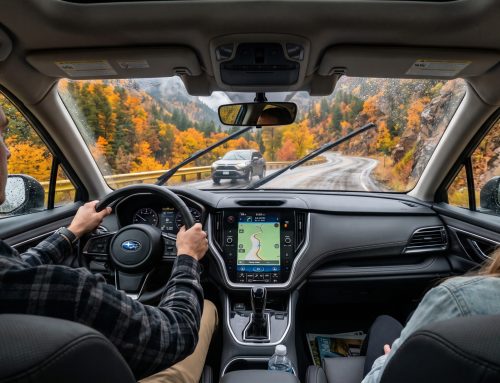
As daylight hours shorten, so do the most dangerous times to drive. After the clocks fall back, your evening commute might now happen in twilight or darkness. That means more glare from oncoming headlights, reflections from wet pavement or early snow, and reduced visibility around curves and steep grades like those on I-70 or Highway 6.
Autumn in Eagle County also means cooler mornings and a greater chance of frost, black ice, and early snowstorms. Combine that with fatigue and fading light, and the risk for accidents increases. It’s also a reminder that wildlife becomes more active at dusk, especially deer and elk, which are common along wooded mountain routes.
Tips for Staying Safe During Fall Daylight Saving Time
Here are a few smart habits to help keep you, your passengers, and your vehicle safe during the seasonal time change:
- Check your headlights and taillights. Make sure they’re clean and working properly before darker drives.
- Clean your mirrors and windshield. Dirt, fog, and streaks can magnify glare, especially during sunrise and sunset.
- Adjust your driving schedule if possible. Try to avoid long evening drives until your body adjusts to the new light patterns.
- Take care of yourself. The first few days after the time change can leave you tired—if you’re drowsy, pull over or rest before continuing.
- Watch for wildlife. Fall means more animal activity near roads, especially around dawn and dusk.
When the Unexpected Happens
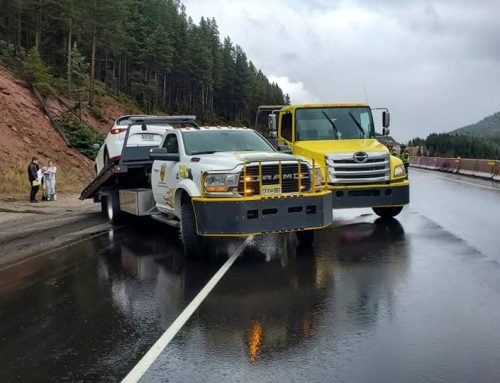
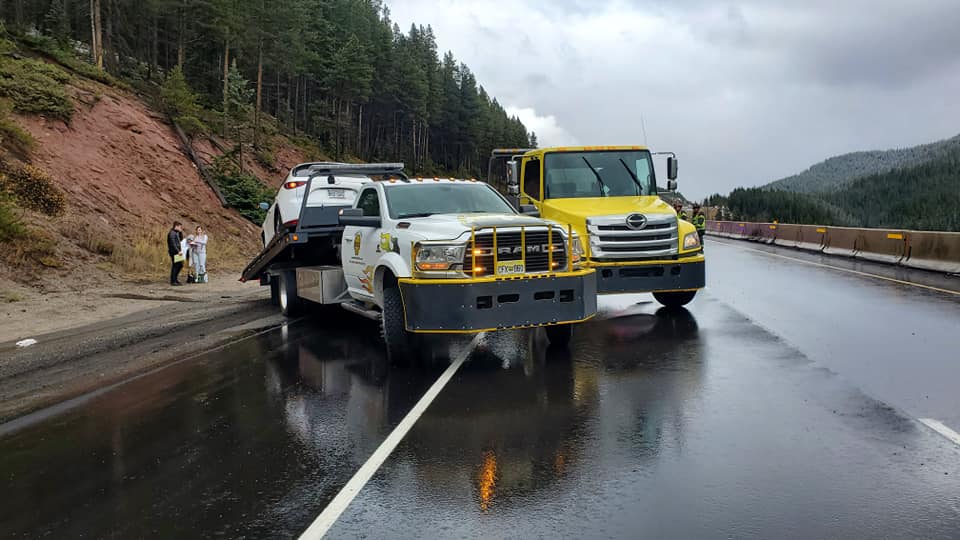
Even careful drivers can run into trouble—especially when visibility is low or the weather turns quickly. Whether it’s a dead battery, a slide-off, or a fender bender after dark, West Vail Towing & Recovery is ready to help.
Our team is based right here in Eagle County, serving the Vail area and the I-70 corridor. We provide 24/7 towing, roadside assistance, and vehicle recovery, including help for flat tires, lockouts, and accidents. When fall daylight saving time leaves you stranded in the dark, we’ll get you safely back on the road.
Stay Alert and Drive Smart
Fall daylight saving time might only shift the clock by an hour, but on mountain roads, that hour can make a big difference. Stay aware, stay rested, and adjust to the changing light. And if you ever need roadside help in or around Vail, know that West Vail Towing & Recovery is just a phone call away.
📞 Call West Vail Towing & Recovery at 970-476-3394 for fast, reliable towing and roadside assistance anywhere in Eagle County.