Fall in the Mountains: Beautiful but Risky
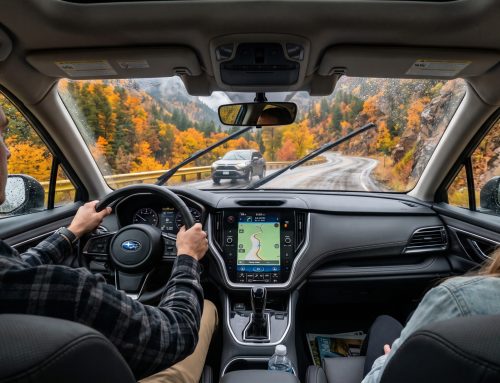
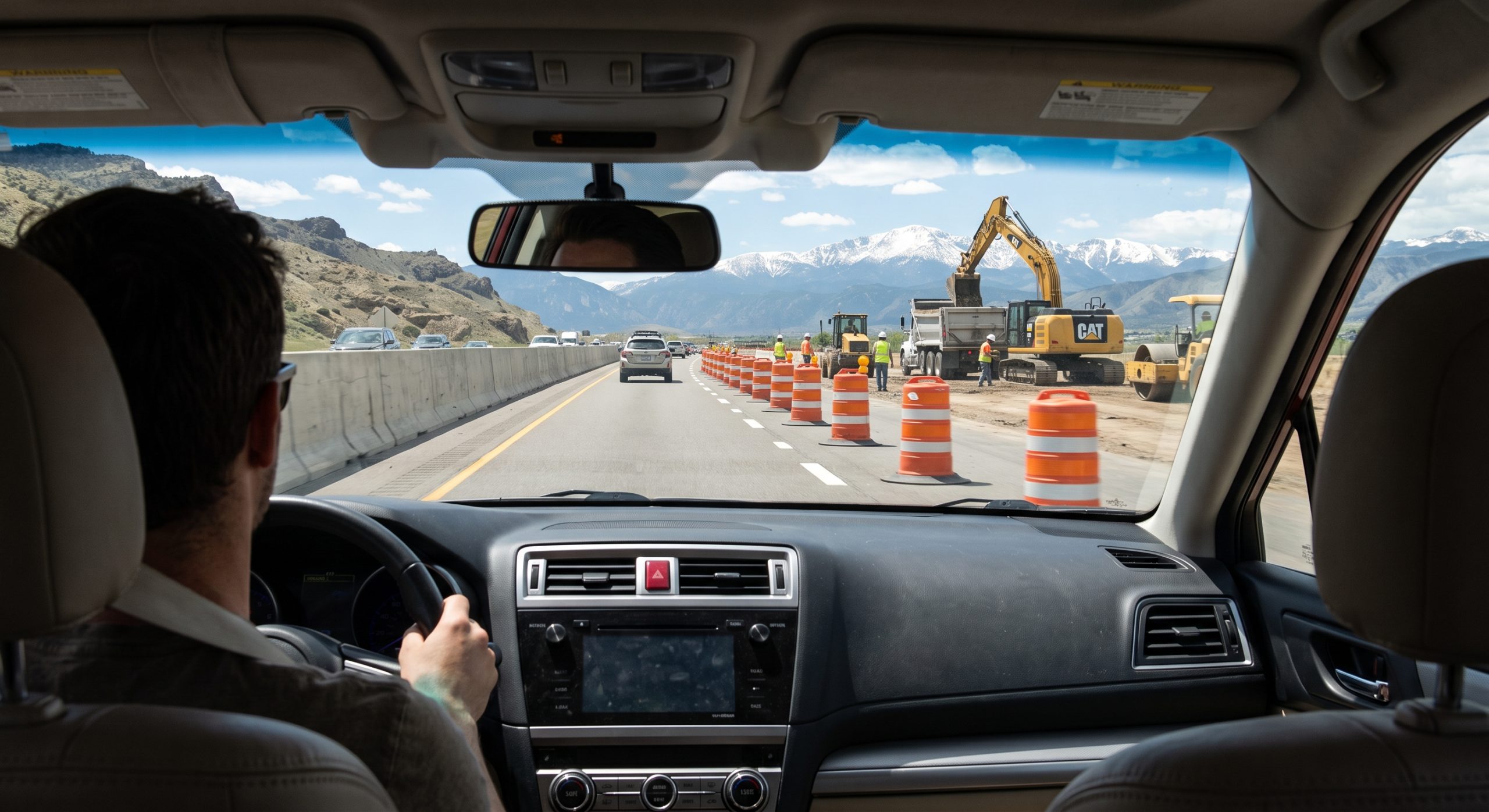
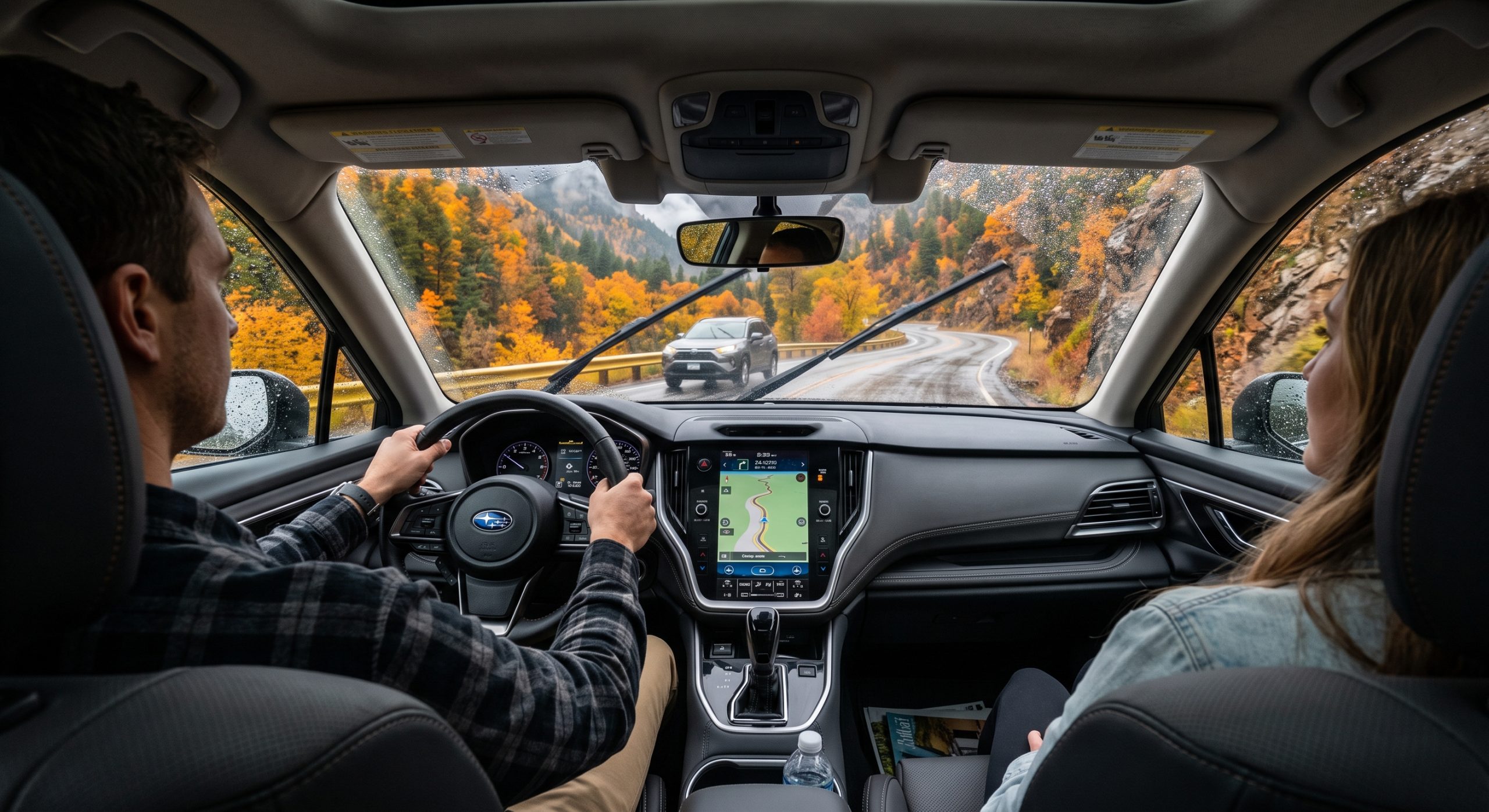
Autumn in Eagle County brings crisp mornings, golden aspens, and cooler weather — but it also brings driving challenges that catch many motorists off guard. As daylight hours shrink and the sun hangs lower in the sky, visibility can drop drastically. Whether you’re commuting through Vail Pass or traveling the I-70 corridor, fall sun glare and dim twilight can turn a routine drive into a risky one.
Understanding how these conditions affect your visibility — and your reaction time — is key to staying safe on the road.
Why Fall Sun Glare Is So Dangerous
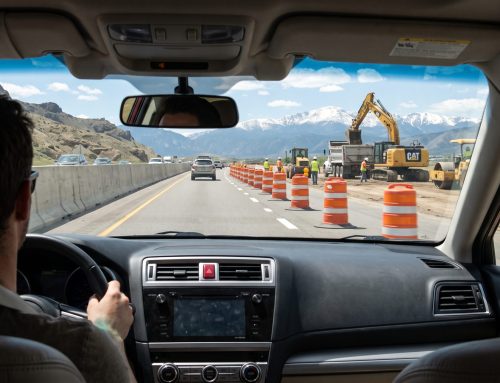
Sun glare happens when the sun’s low angle reflects directly into your windshield, creating a temporary “blind spot” that can obscure road signs, other vehicles, or pedestrians. During fall, glare peaks during morning and late-afternoon commutes — exactly when traffic is heaviest on mountain routes.
On I-70, especially around Eagle County, drivers often find themselves rounding a curve only to be hit with a sudden burst of sunlight. Add in reflective snow patches or wet pavement, and the glare intensifies even more.
Quick safety tips:
- Keep your windshield clean, inside and out. Dirt and streaks amplify glare.
- Replace old or scratched wiper blades.
- Wear polarized sunglasses.
- Use your car’s sun visors, even partially, to reduce blinding light.
- Increase following distance when visibility drops suddenly.
Shorter Days Mean More Night Driving
As daylight fades earlier each evening, drivers spend more time on the road in darkness. Wildlife crossings, unlit mountain curves, and fatigue all increase the risk of roadside incidents after sunset.
If you frequently drive between Avon, Eagle-Vail, or Vail, be especially cautious during dusk and dawn — the hardest times for your eyes to adjust. Headlights should be on one hour before sunset and stay on until full daylight returns.
Additional night-driving tips:
- Check all vehicle lights regularly — headlights, taillights, and brake lights.
- Avoid high beams when approaching oncoming traffic.
- Keep an emergency kit and reflective triangles in your trunk.
- Pull over safely if you feel drowsy or disoriented.
When Trouble Strikes, You’re Not Alone
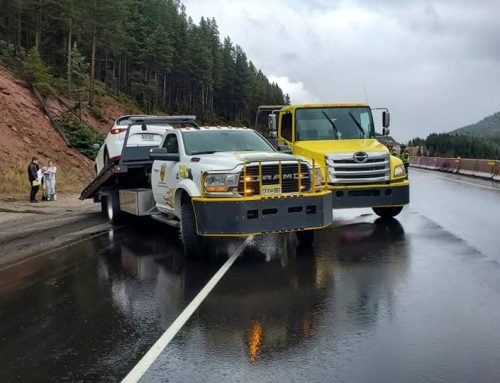
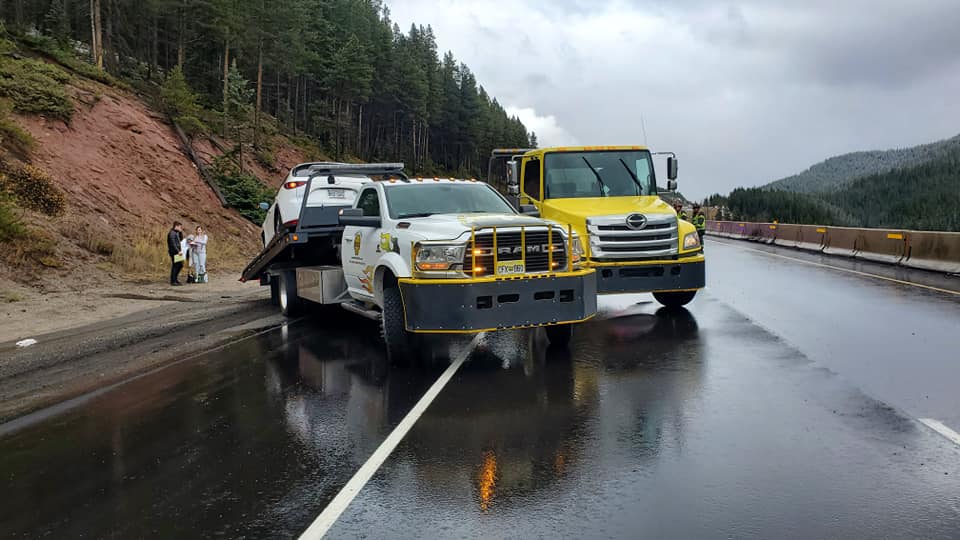
Even the most careful drivers can run into problems. If glare blinds you into a minor collision, or if darkness makes a flat tire more stressful than it should be, West Vail Towing is ready to help.
We offer 24/7 roadside assistance and towing throughout Eagle County, from Vail Pass to Edwards, Avon, and beyond. Our experienced local team knows the mountain conditions, the traffic patterns, and the safest ways to get you back on the road fast.
Stay Prepared This Fall
Colorado’s fall driving is stunning — but unpredictable. Shorter days and strong sunlight demand more awareness and preparation. Keep your vehicle maintained, clean your windshield regularly, and drive with extra caution during sunrise and sunset.
And remember: if your car breaks down or you need a tow, West Vail Towing is always just a call away.
Call 970-476-3394 for immediate roadside help or visit our contact page for non-urgent service requests.