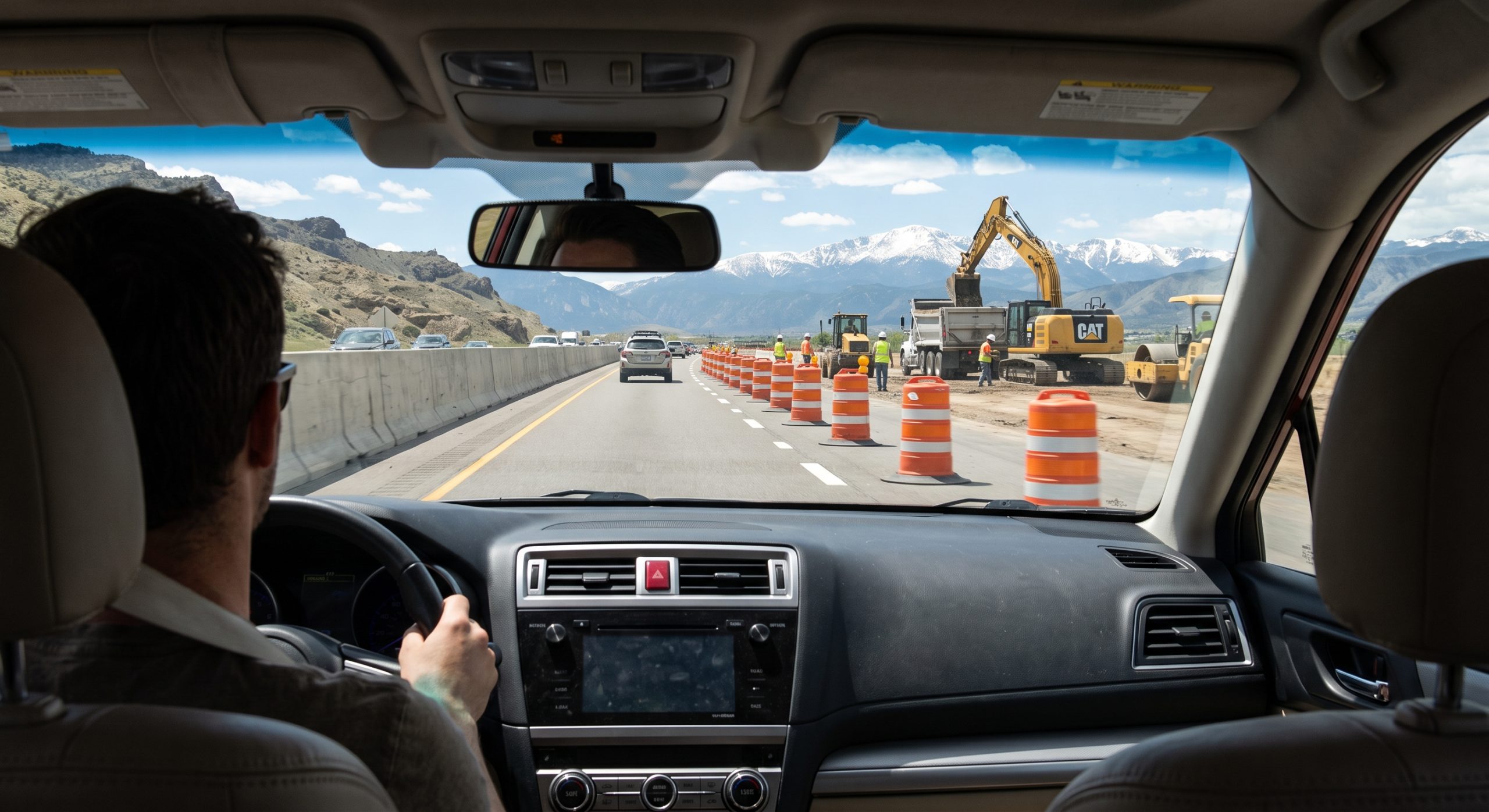
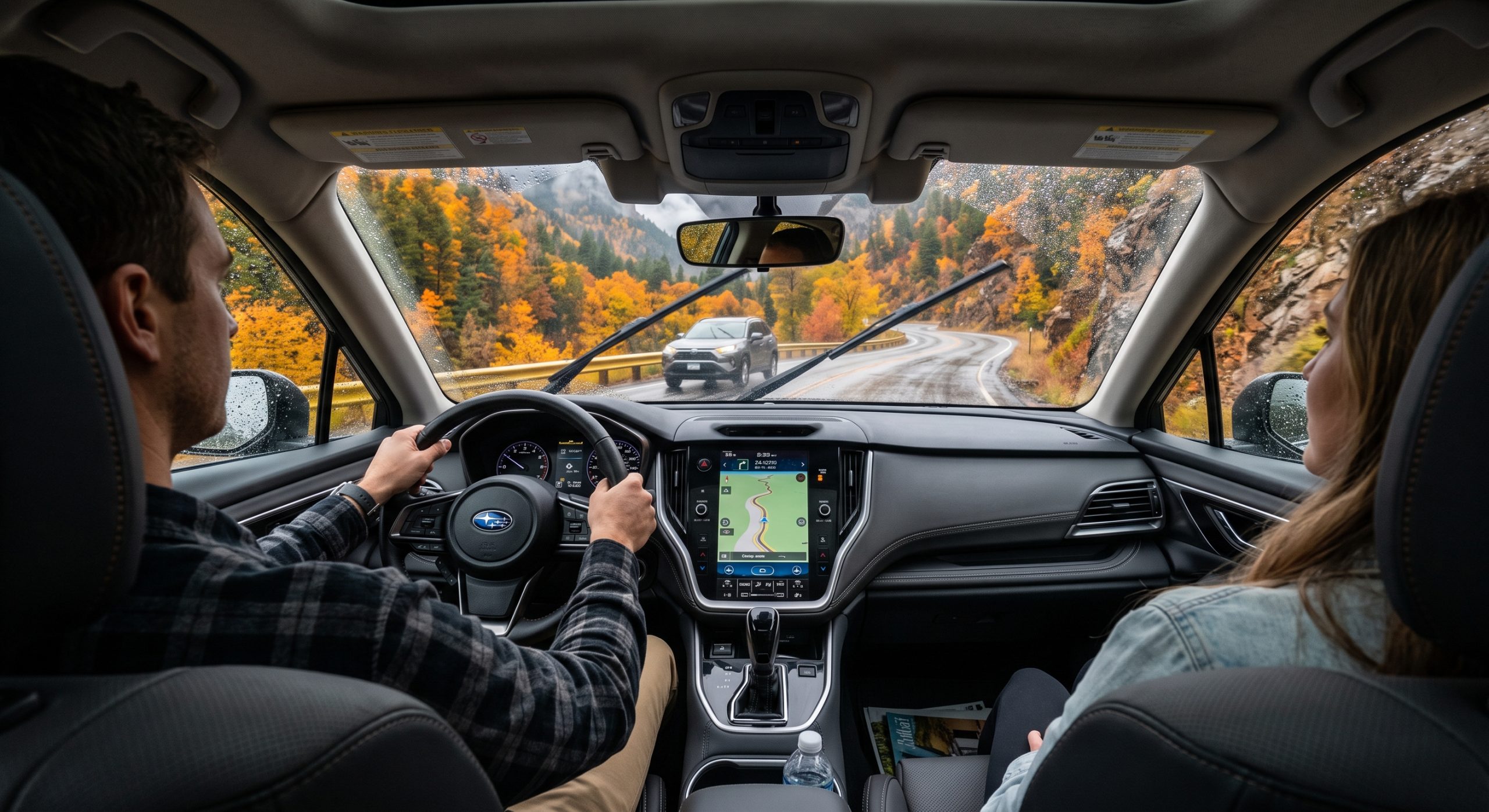
Summer’s warmth fades fast in the Colorado Rockies, and as autumn settles in, the scenery shifts — brilliant golden aspens, crisp air, and winding roads dotted with fallen leaves. But while fall is beautiful, it also brings unique driving challenges. Whether you’re a local in Eagle County or visiting for a mountain getaway, understanding these hazards can help you stay safe behind the wheel.
1. Falling Temperatures and Black Ice
Colorado’s mountain weather changes rapidly. Mornings can drop below freezing even in early fall, creating black ice on bridges, shaded corners, and high-elevation passes. Because it’s nearly invisible, black ice causes countless accidents each year — especially around Vail Pass and Glenwood Canyon.
Tip: Drive slowly on cool mornings, especially before sunrise. Avoid sudden braking or sharp turns, and check that your tires have proper tread and pressure.
2. Wet Leaves and Slippery Roads
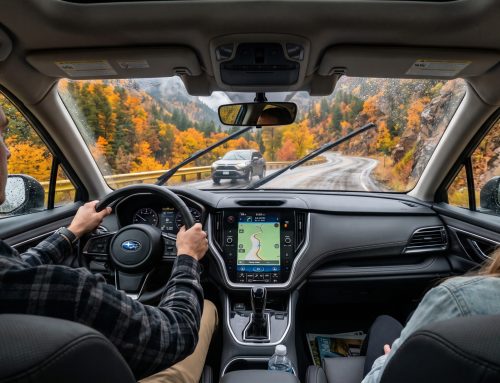
After rain or early snow, fallen leaves can turn roads as slick as ice. In Eagle and Edwards, where winding residential roads climb into the hills, this can spell trouble for unaware drivers. Wet leaves can also obscure lane markings or potholes, making it harder to stay centered.
Tip: Treat wet leaves like ice — reduce speed, avoid hard braking, and increase following distance.
3. Wildlife Crossing Peaks in Fall
Autumn is mating and migration season for elk, deer, and moose. These large animals become more active around dawn and dusk — the same times most people are commuting. Collisions spike on I-70 and Highway 6 through Eagle County during October and November.
Tip: Scan the shoulders of the road for movement, and slow down near wildlife crossing signs. If an animal crosses, don’t swerve — brake firmly and stay in your lane.
4. Shorter Days and Sun Glare
With shorter days come darker commutes and blinding sun glare during sunrise and sunset. In mountain valleys like Vail and Minturn, the angle of the sun can make it nearly impossible to see oncoming traffic.
Tip: Keep sunglasses handy and your windshield clean inside and out. Replace worn wipers to avoid streaking that amplifies glare.
5. Sudden Weather Changes and Early Snow
Even before winter officially begins, autumn snowstorms can hit hard at higher elevations. A clear morning can quickly turn into whiteout conditions by afternoon. Snow squalls along I-70 are common in late October and can strand unprepared drivers.
Tip: Pack a fall and winter emergency kit — include a blanket, small shovel, flashlight, water, snacks, jumper cables, and traction devices (like chains or AutoSocks). Check your vehicle’s battery and fluids before heading into the mountains.
6. Tourists and Leaf-Peepers
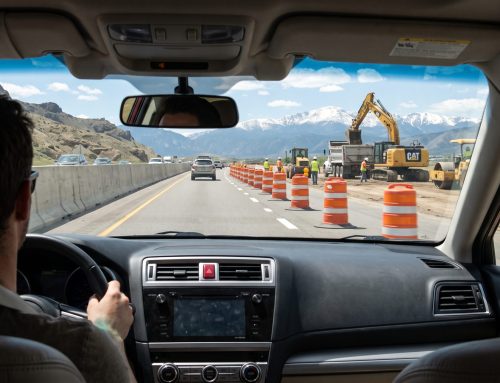
Autumn attracts visitors chasing Colorado’s golden aspen season. Increased traffic, frequent stops for photos, and rental cars unfamiliar with mountain driving all contribute to unexpected slowdowns and roadside incidents.
Tip: Stay patient, keep extra distance, and plan for longer travel times on scenic routes like Highway 24 and 131.
How West Vail Towing Keeps You Safe
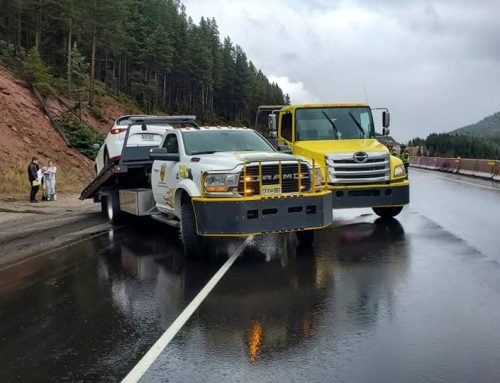
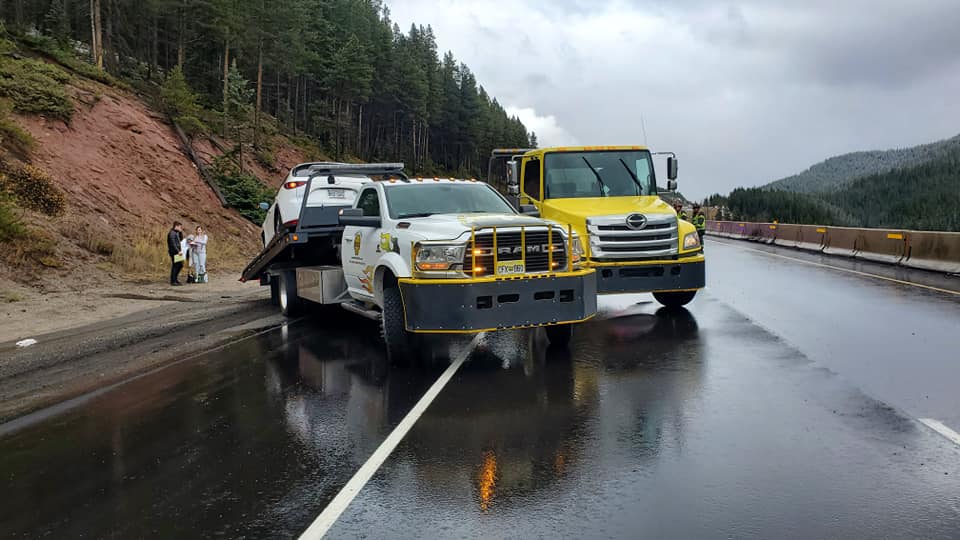
Even with preparation, fall driving can catch anyone off guard. That’s where West Vail Towing & Recovery, proudly serving Colorado since 1970, comes in. Our experienced local team provides 24/7 roadside assistance, including:
- Emergency towing and recovery
- Jump starts and lockouts
- Winch-outs for vehicles stuck on icy shoulders or ditches
- Flat tire and fuel delivery service
- Heavy-duty recovery for trucks and SUVs
Whether you’re stranded on Vail Pass, near Edwards, or anywhere in Eagle County, our professional drivers respond quickly and safely — day or night.
For more information, check out our FAQ on towing and roadside assistance.
Stay Prepared, Stay Safe
Fall in Colorado is stunning but unpredictable. Taking a few precautions now can prevent breakdowns and accidents later. Always drive defensively, maintain your vehicle, and know who to call if trouble strikes.
If you find yourself stuck or in need of help this fall, call West Vail Towing & Recovery at 970-476-3394 — your local experts for fast, reliable roadside assistance.