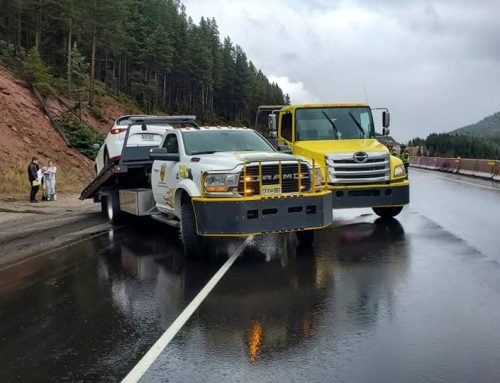
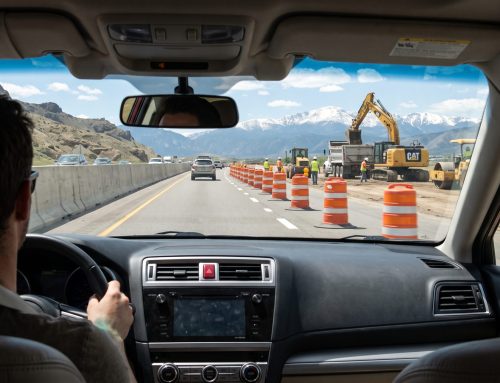
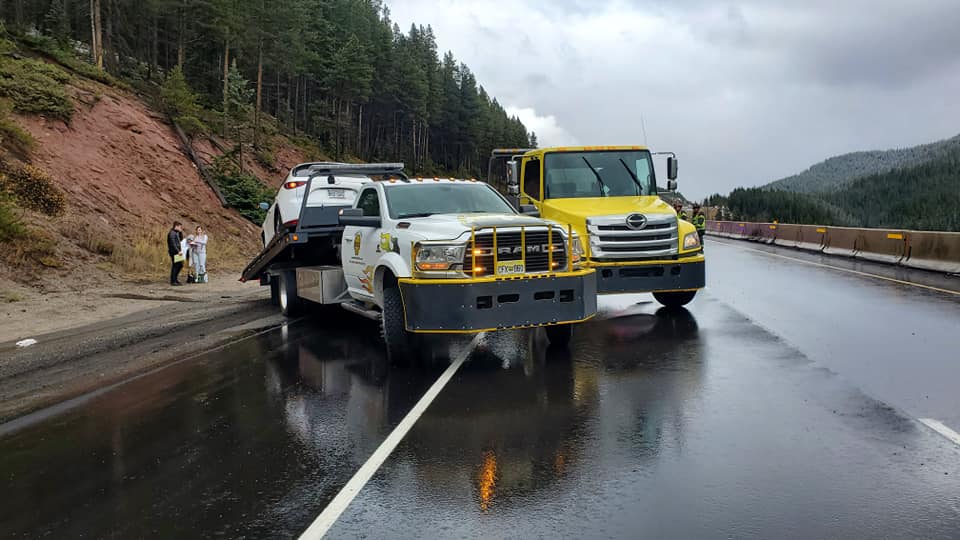
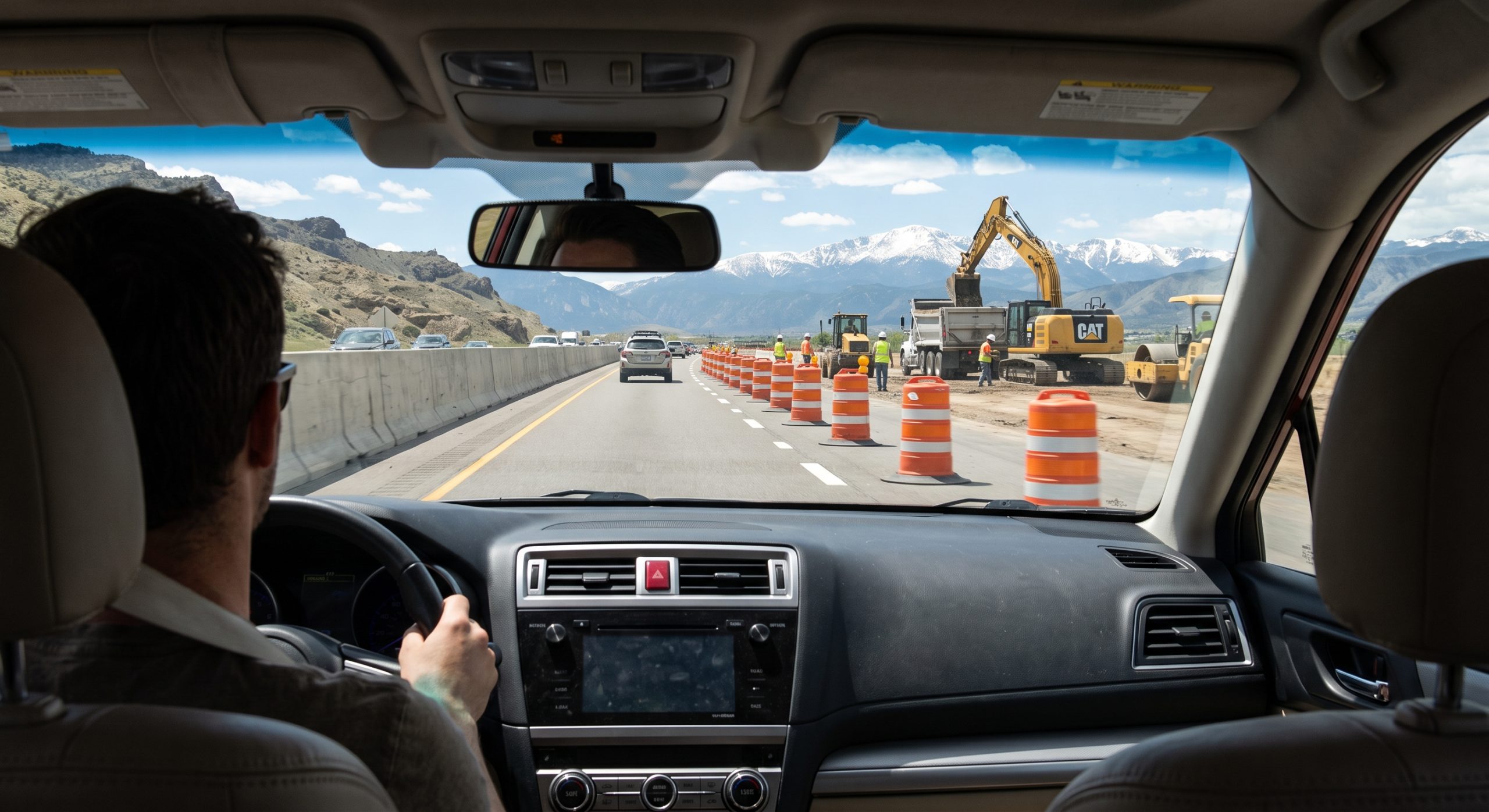
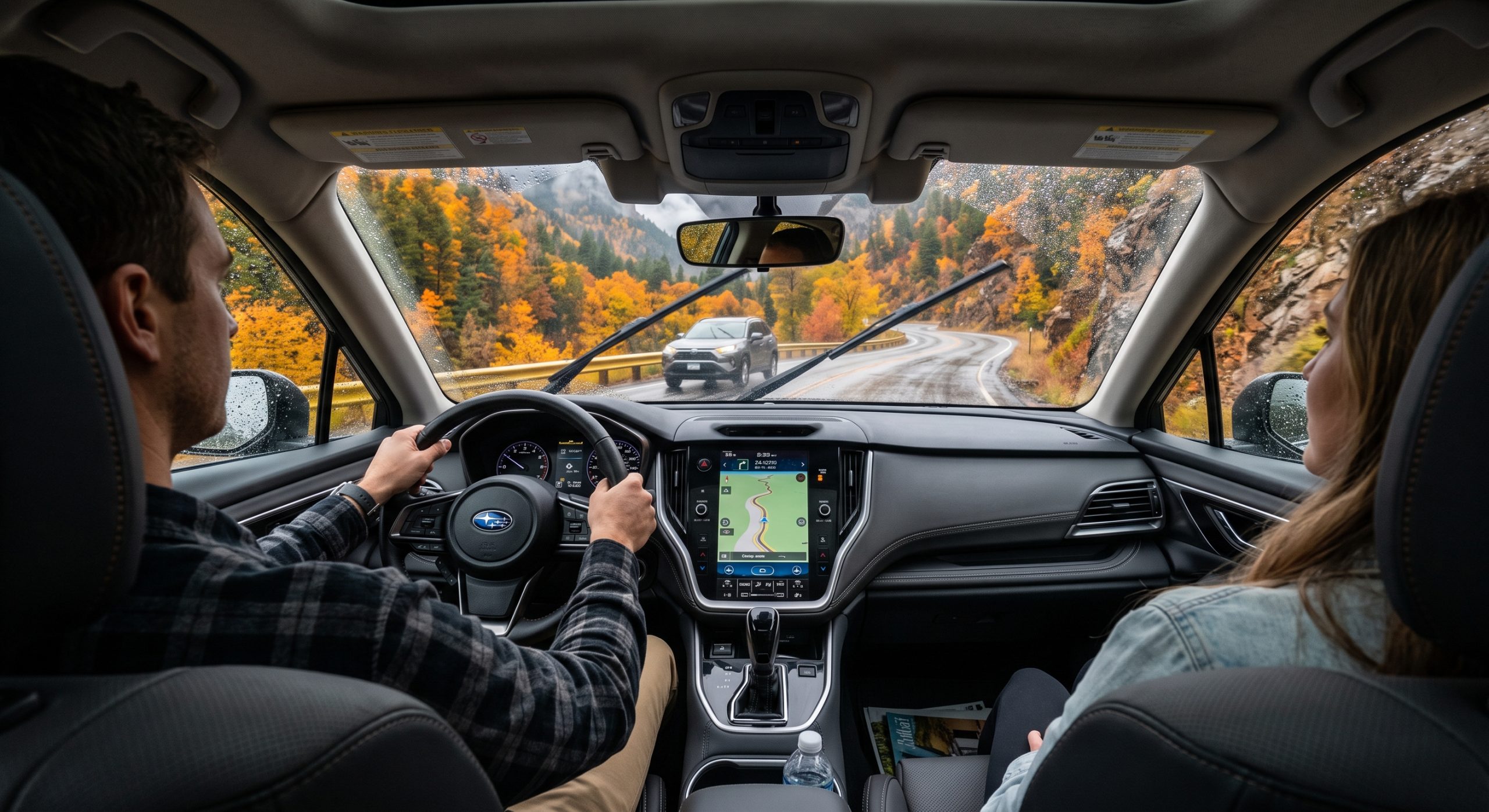
When you’re driving through the mountain roads of Colorado—especially in areas like Vail Pass— you’ll often see tow trucks assisting stranded drivers on the shoulder. These professionals put themselves in dangerous positions to help others, and the least we can do as fellow drivers is keep them safe. Knowing how to pass a tow truck the right way isn’t just courteous—it’s the law.
Let’s talk about how to do it safely, what Colorado’s “Slow Down, Move Over” law requires, and how West Vail Towing encourages drivers to protect roadside workers.
What Is Colorado’s “Slow Down, Move Over” Law?
Colorado’s Slow Down, Move Over law (C.R.S. 42-4-705) helps protect those who work alongside active roadways. It applies to a wide range of vehicles displaying flashing lights, including law enforcement, fire and EMS, ambulances, tow trucks, utility trucks, and road maintenance vehicles.
Here’s what the law says:
- Drivers must safely change lanes when approaching a stationary vehicle with emergency or warning lights.
- If changing lanes isn’t possible, drivers must slow down to a safe, manageable speed while passing.
- Failing to follow these rules can result in penalties, especially if injury or property damage occurs.
The goal is simple: create a safe buffer zone for workers operating in harm’s way.
How to Pass a Tow Truck Safely and Courteously
Whether you’re on I-70 or a local road in Eagle County, use these tips to navigate safely around a working tow truck:
1. Stay Alert
Look ahead for flashing lights, reflective vests, or cones marking a service area. These cues signal an active roadside emergency.
2. Change Lanes Early
When conditions allow, merge at a safe distance before reaching the scene. This helps create space without abrupt movements.
3. Ease Off the Gas
If traffic or road design prevents you from switching lanes, reduce your speed well before passing the stopped vehicle. Driving slower increases control and minimizes danger.
4. Keep Your Eyes on the Road
Avoid the temptation to stare at the scene. Staying focused on your path helps prevent secondary accidents.
5. Respect the Risk
Tow operators work in unpredictable and stressful conditions. Safe, respectful driving is an easy way to support them while keeping everyone protected.
Why This Matters in the Mountains
Mountain roads in Vail and the surrounding areas often leave little room for error. Shoulder space is limited, weather can change fast, and visibility is often reduced. These factors make roadside recovery especially hazardous.
Crews from West Vail Towing regularly respond to breakdowns, collisions, and winch-outs in tough conditions. Whether it’s snow, steep inclines, or limited pull-offs, our team faces real risks to assist stranded motorists.
Slowing down and giving room isn’t just a safety rule—it’s a necessity in Colorado’s high country.
Everyone Deserves to Get Home Safely
If you see flashing lights on the side of the road, treat the situation with care and caution. The lives of roadside workers, emergency responders, and stranded drivers depend on it. Practicing these habits shows responsibility and a shared commitment to road safety.
Call West Vail Towing When You Need a Roadside Hero
If you find yourself stranded anywhere in Eagle County—from Vail Pass to Glenwood Canyon—call West Vail Towing & Recovery at 970-476-3394. We’ve been serving this community for decades with fast, professional, and safe towing and roadside services.