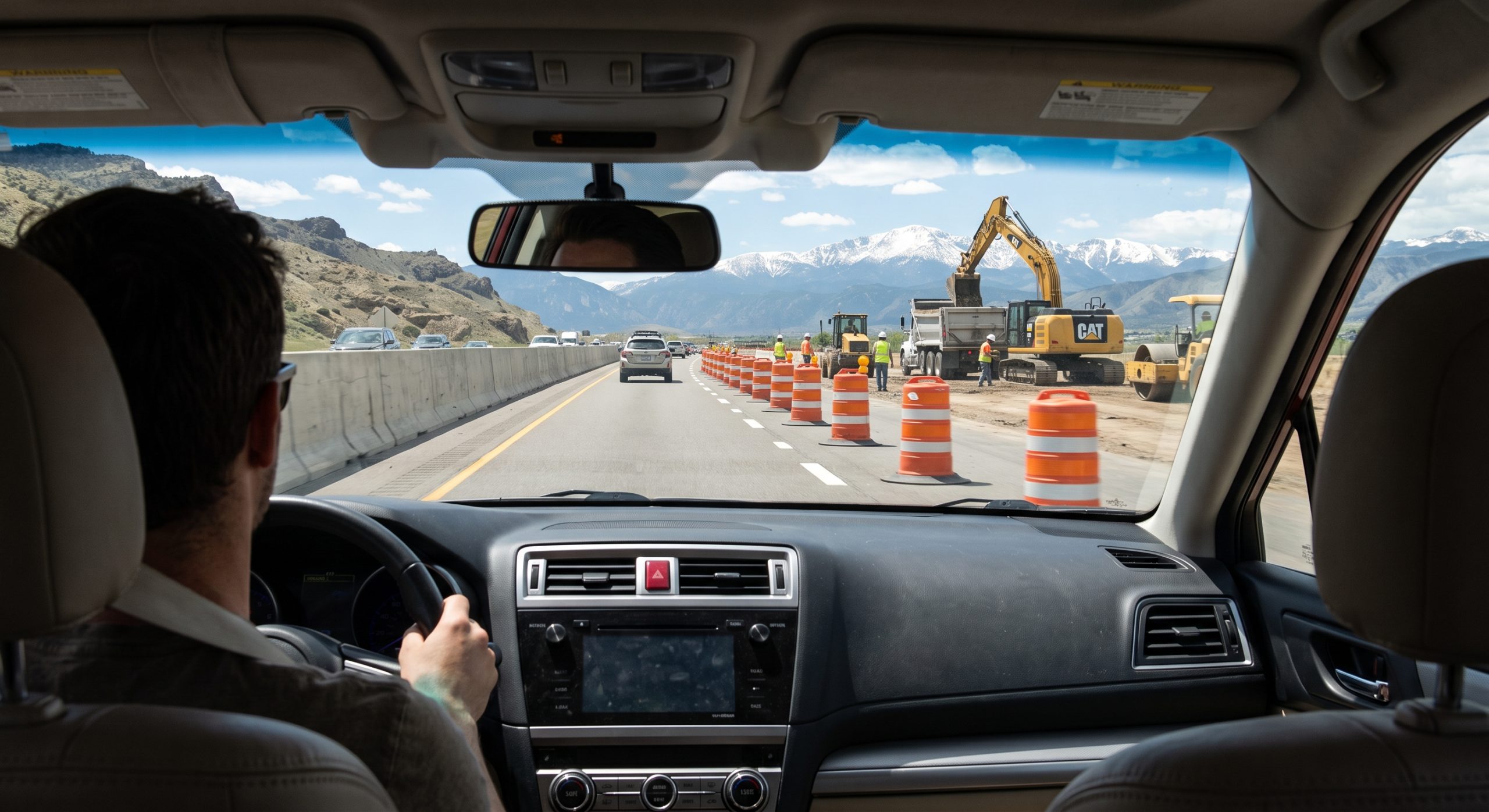
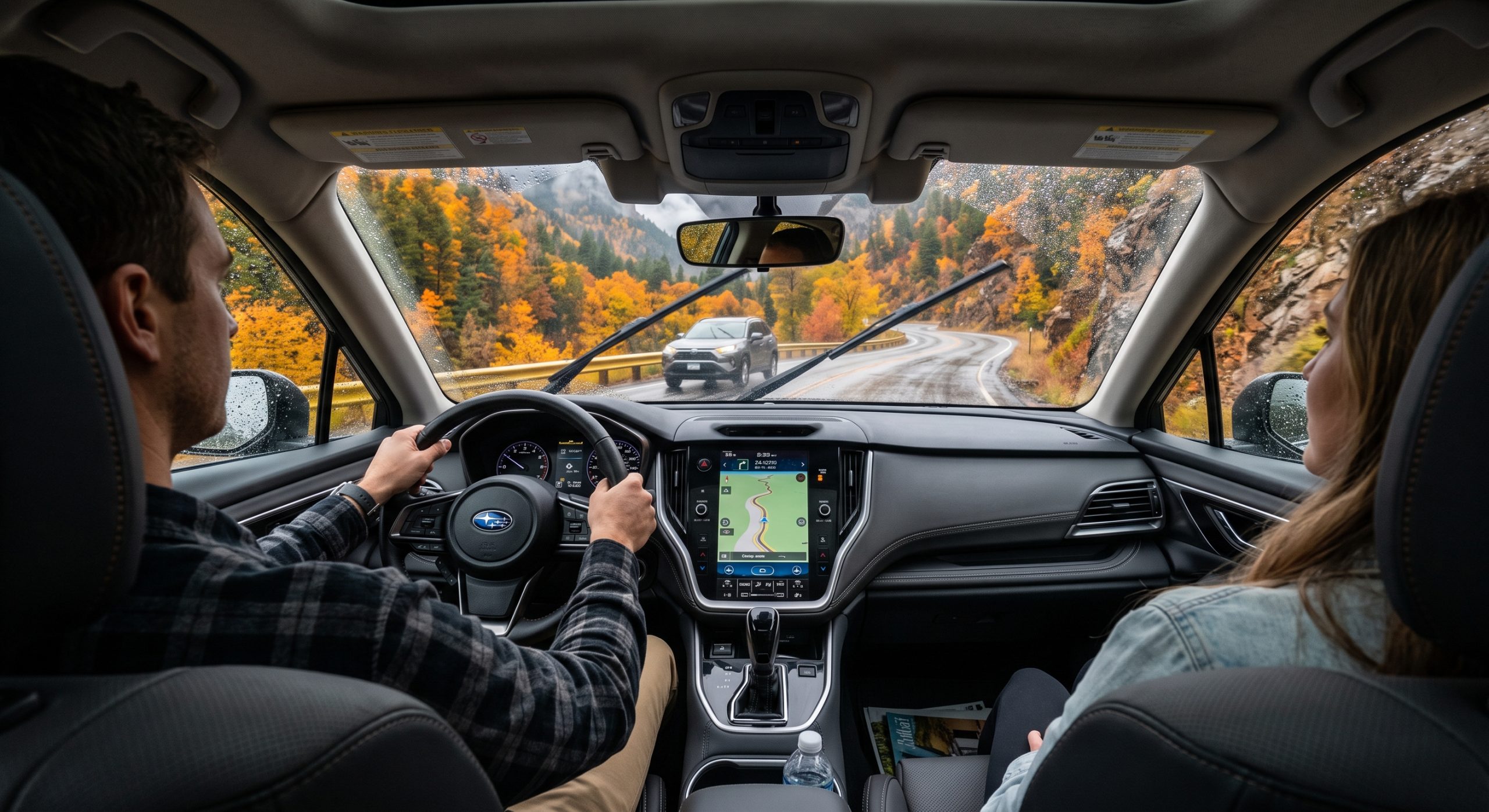
If you’ve driven along I-70 or through the winding roads of Eagle County, you’ve likely experienced a driver riding far too close to your bumper. Tailgating — when one vehicle follows another too closely — is more than just an annoyance. It’s a major safety hazard, especially in the unpredictable driving conditions of Colorado’s mountains.
Whether you’re in stop-and-go traffic in Vail or cruising through Edwards, giving other drivers space is one of the simplest ways to prevent accidents.
Why Tailgating Is So Dangerous
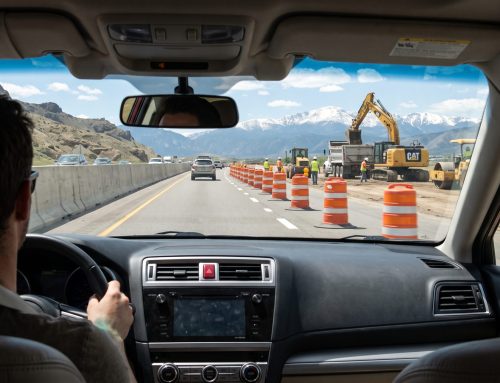
Tailgating is dangerous because it robs drivers of the time they need to react. In good conditions, a safe following distance is typically three seconds. In the mountains — where roads can be slick, visibility can change quickly, and wildlife might cross unexpectedly — even more space is needed.
Here’s why tailgating is a problem:
- Reduced Reaction Time – If the car ahead brakes suddenly, you might not stop in time.
- Increased Severity of Collisions – Rear-end crashes at high speeds can cause major injuries and damage.
- Chain Reaction Accidents – In heavy traffic, one rear-end crash can cause multiple vehicles to collide.
- Stress for Other Drivers – Being tailgated often causes drivers to make mistakes or drive unpredictably.
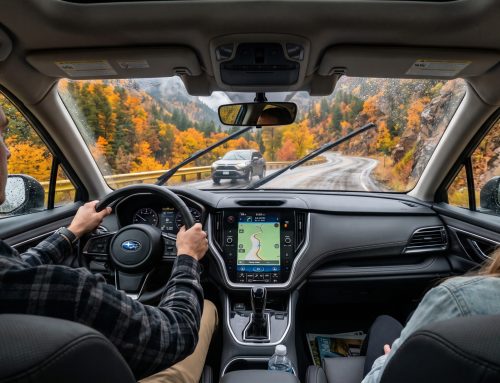
Tailgating in Mountain Driving Conditions
Mountain driving adds extra challenges to keeping safe distances:
- Steep Grades – Going downhill requires more braking distance, especially for heavy vehicles.
- Sharp Curves – Blind turns make it harder to anticipate slow traffic or hazards.
- Weather Changes – Snow, ice, fog, or rain can appear suddenly, reducing traction and visibility.
Tailgating on these roads is especially risky. Even a moment of distraction can result in sliding into the vehicle ahead — or worse, losing control completely.
How to Avoid Being the Tailgater
If you don’t want to be “that driver” who rides too close:
- Use the Three-Second Rule – Pick a landmark and ensure three seconds pass between when the car ahead passes it and when you do.
- Increase Space in Bad Weather – Double your distance in snow, rain, or fog.
- Stay Patient – Aggressive driving rarely saves significant time but increases your risk.
- Adjust for Speed and Weight – Larger vehicles like trucks and SUVs need more stopping distance.
What to Do If You’re Being Tailgated
Being tailgated can be stressful, but there are safe ways to handle it:
- Maintain a steady speed — sudden braking can make the situation worse.
- When safe, move to the right lane and let the driver pass.
- Avoid escalating the situation with hand gestures or aggressive braking.
When Tailgating Leads to Trouble
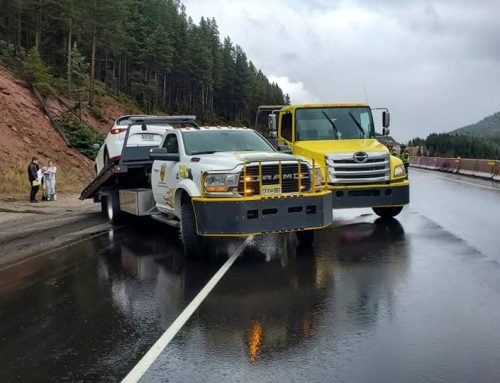
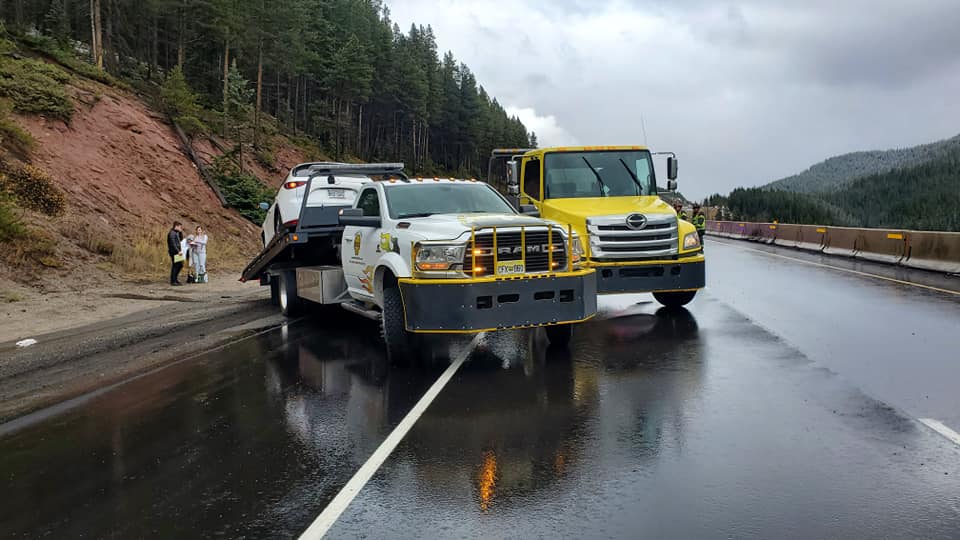
Unfortunately, tailgating can still cause accidents — even if you’re doing everything right. If you’re involved in a rear-end accident or your vehicle becomes undrivable on Colorado’s mountain roads, West Vail Towing is here to help. Our team provides fast, professional roadside assistance and towing services throughout Eagle County, 24/7.
Stay Safe, Drive Smart, and Keep Your Distance
Tailgating might seem like a small issue, but it’s a major cause of crashes in Colorado. By giving other drivers the space they need, you protect yourself, your passengers, and everyone else on the road.
If tailgating trouble leaves you stranded in Eagle County, call West Vail Towing at 970-476-3394 for prompt, professional help.