We’ve all been there, or at least seen it happen: a car sputters to a halt, the hazard lights go on, and a well-meaning friend pulls up in their truck, waving a nylon tow strap. “I’ll just pull you home!” they say.
It sounds like a quick, cheap fix. But if your route involves major roadways, highways, or interstates, hooking up a tow strap is one of the most dangerous decisions you can make behind the wheel.
While a tow strap is an acceptable (though still not highly recommended) tool for pulling a vehicle ten feet to get it safely onto the shoulder and out of the line of fire, using it for anything more is asking for trouble. Here is why you should leave the strap in the trunk and call a professional towing service instead.
1. The Catastrophic Risk to Traffic
Towing a car with a strap creates an incredibly volatile dynamic between two vehicles. Unlike a rigid tow bar used by RVs, a strap has slack.
When the lead car brakes, the towed car must react with split-second perfection, relying entirely on the towed driver’s reaction time and manual braking—without the benefit of power brakes, since the engine is off. This often leads to the “slingshot effect,” where the towed car violently rear-ends the towing vehicle.
On a major roadway with other drivers traveling at high speeds, this lack of control is terrifying. A snapped strap, a sudden swerve, or a rear-end collision between the two connected vehicles can easily trigger a multi-car pileup, putting your lives and the lives of everyone around you at risk.
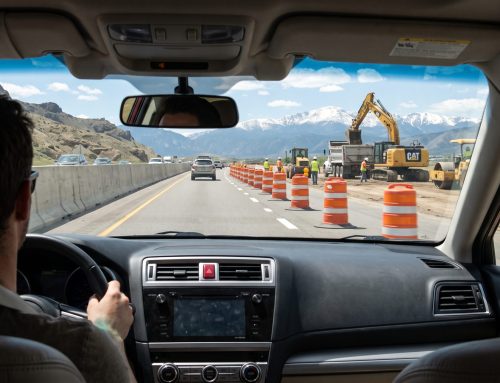
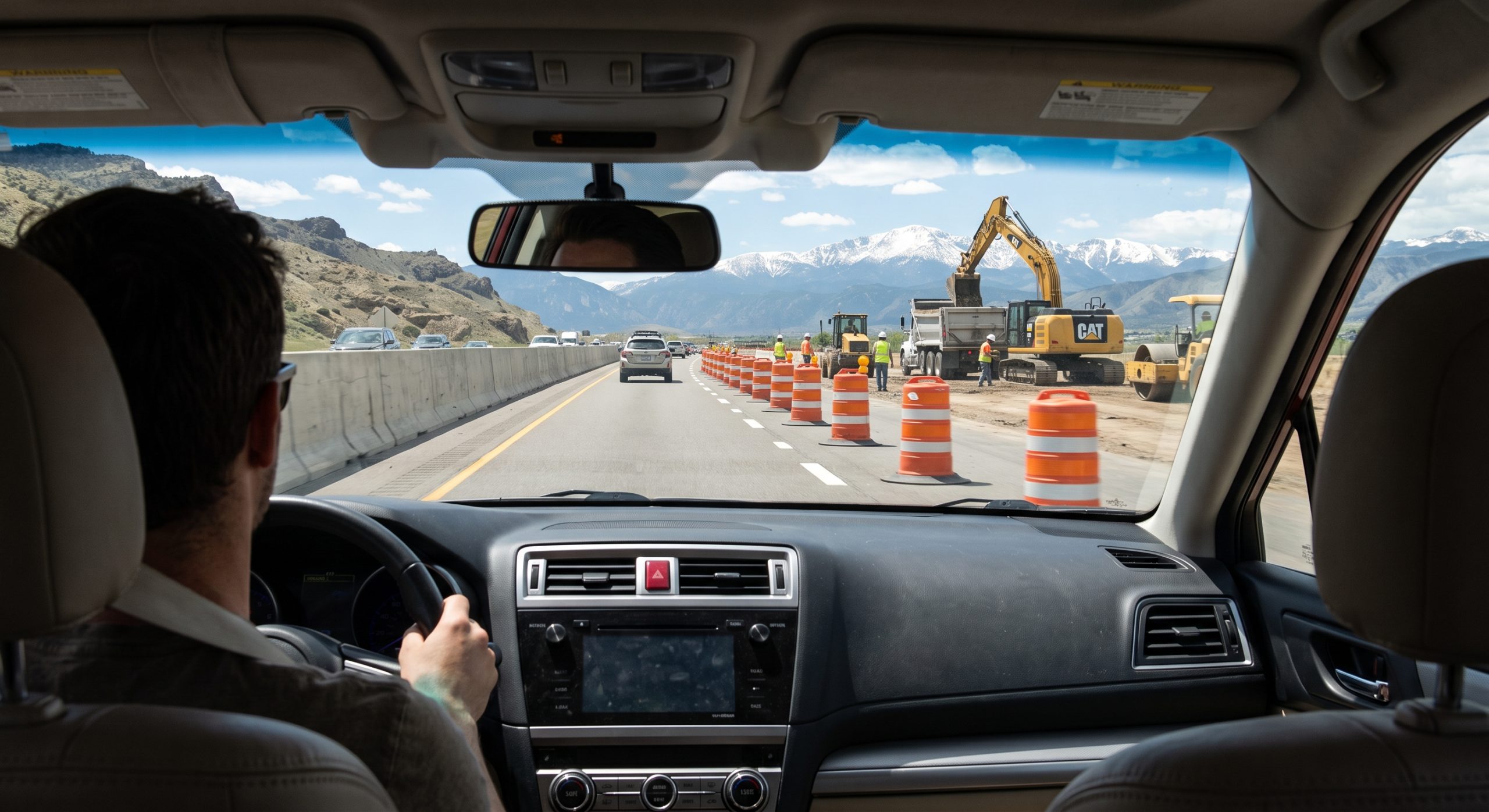
Beyond the immediate danger, there is also the severe disruption to traffic flow. To even attempt to safely tow with a strap, you must drive at a painfully slow speed. On a major road, two vehicles crawling along at 15 miles per hour quickly create a massive bottleneck. You aren’t just putting people in danger; you are backing up traffic for miles, frustrating other drivers, and significantly increasing the likelihood of secondary accidents in the jam behind you.
2. You Could Total Your Own Car
People often try to save a couple of hundred dollars on a tow, only to cause thousands of dollars in mechanical and structural damage to their vehicle.
- Transmission Annihilation: If you tow an automatic vehicle with its drive wheels on the ground, the internal components of the transmission will spin without the engine running to pump lubricating fluid. This can destroy a transmission in a matter of miles.
- Frame and Body Damage: Tow straps are often attached to the wrong points on a car—like suspension components, thin tie-down loops, or even the bumper. The immense force of pulling a dead weight can rip bumpers clean off, bend tie rods, or warp the vehicle’s frame.
- Locked Steering: If the key isn’t in the correct position, the steering wheel of the towed car can lock mid-turn. At that point, the towed car essentially becomes an unguided missile being dragged down the road.
3. It’s Often Illegal and Always a Liability
In many jurisdictions, towing a vehicle with a non-rigid connection on highways and major roads is strictly illegal. If a police officer spots you, you’ll be looking at a hefty ticket on top of your existing car troubles. Furthermore, if your DIY tow setup causes an accident, your insurance company may refuse to cover the damages due to gross negligence, leaving you financially responsible for the whole mess.
Why You Need the Professionals: The West Vail Towing Difference
When your car breaks down, the safest, smartest, and ultimately most cost-effective solution is to call in the professionals. Companies like West Vail Towing exist exactly for this reason.
Here is why a professional tow is the only way to go:
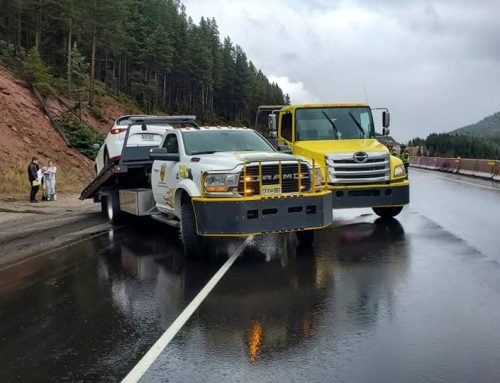
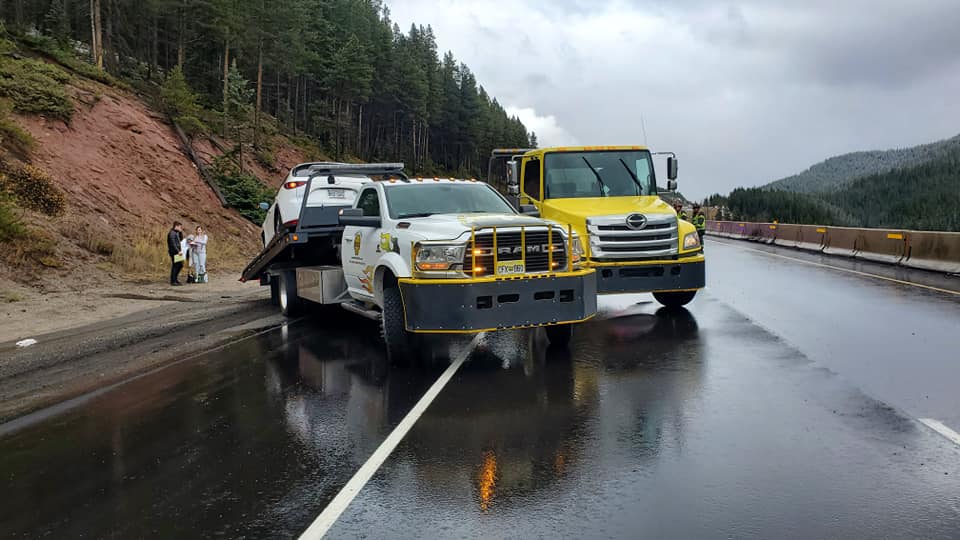
- The Right Equipment: Professionals don’t rely on frayed ropes or stretchy nylon straps. They use heavy-duty flatbed trucks or advanced wheel-lift systems. A flatbed gets your vehicle completely off the ground, ensuring zero wear and tear on your tires, drivetrain, or transmission during transport.
- Expert Knowledge: The operators at West Vail Towing know exactly how to secure your specific make and model. They know the manufacturer-approved anchor points and have the specialized equipment to load your car without scratching the paint or bending the undercarriage.
- Safety and Insurance: Professional tow truck drivers are highly trained to navigate traffic, handle extreme weather conditions, and safely load vehicles on the side of busy highways. Plus, they are fully insured, giving you total peace of mind from the moment they arrive to the moment your car is safely dropped at the mechanic.
The Bottom Line
Keep the tow strap in your emergency kit for pulling a buddy out of a snowbank or dragging a car a few feet to safety. But the moment you need to travel down a major road, put the strap away.
Don’t risk your life, your car, and your wallet. If you find yourself stranded, do the smart thing: get yourself to a safe spot, call West Vail Towing, and let the pros handle the heavy lifting.