The Unintended Consequences of Visual Fixation
1. The “Target Fixation” Steering Effect
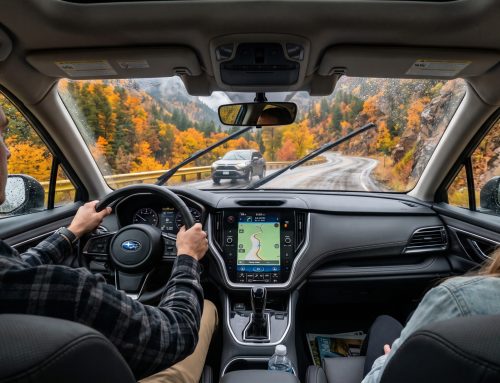
Neurologically, human motor functions are intimately tied to visual focus. In dynamic environments like driving, this manifests as “target fixation”—an involuntary phenomenon where your hands subconsciously steer the vehicle toward whatever your eyes are focused on.
When you turn your head to examine an incident on the right shoulder, your steering wheel naturally drifts right. At highway speeds, a two-second glance translates to nearly 200 feet of blind travel, dramatically increasing the probability of drifting into an active incident zone.
2. Triggering “Phantom” Traffic Ripples
Traffic flow relies on predictable, consistent momentum. When a driver decelerates abruptly simply to look at an event outside their lane of travel, it forces the driver behind them to brake slightly harder.
This creates an amplification effect. By the time that braking wave reaches ten cars back, traffic has come to a complete standstill. These spontaneous bottlenecks—often called phantom jams—disrupt regional logistics and significantly increase the risk of rear-end collisions miles behind the actual event.
3. Compromising Incident Management Zones
Every inch of space matters during highway scene stabilization. When clearance operators arrive, they establish a precisely calculated safety perimeter to manage the environment, sweep debris, and secure vehicles.
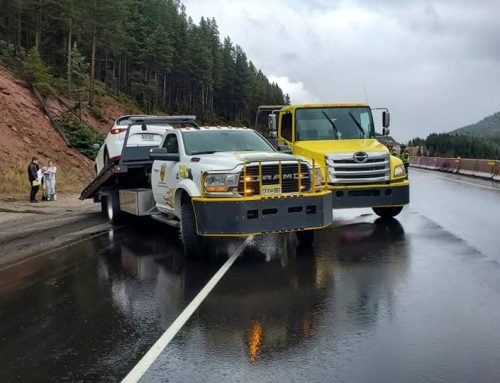
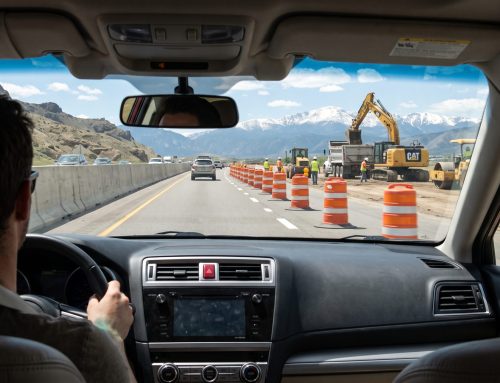
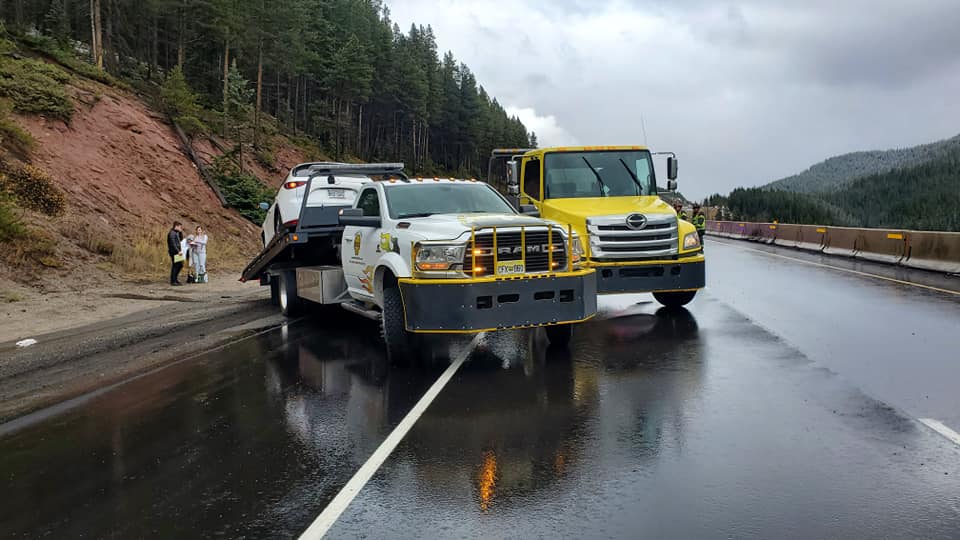
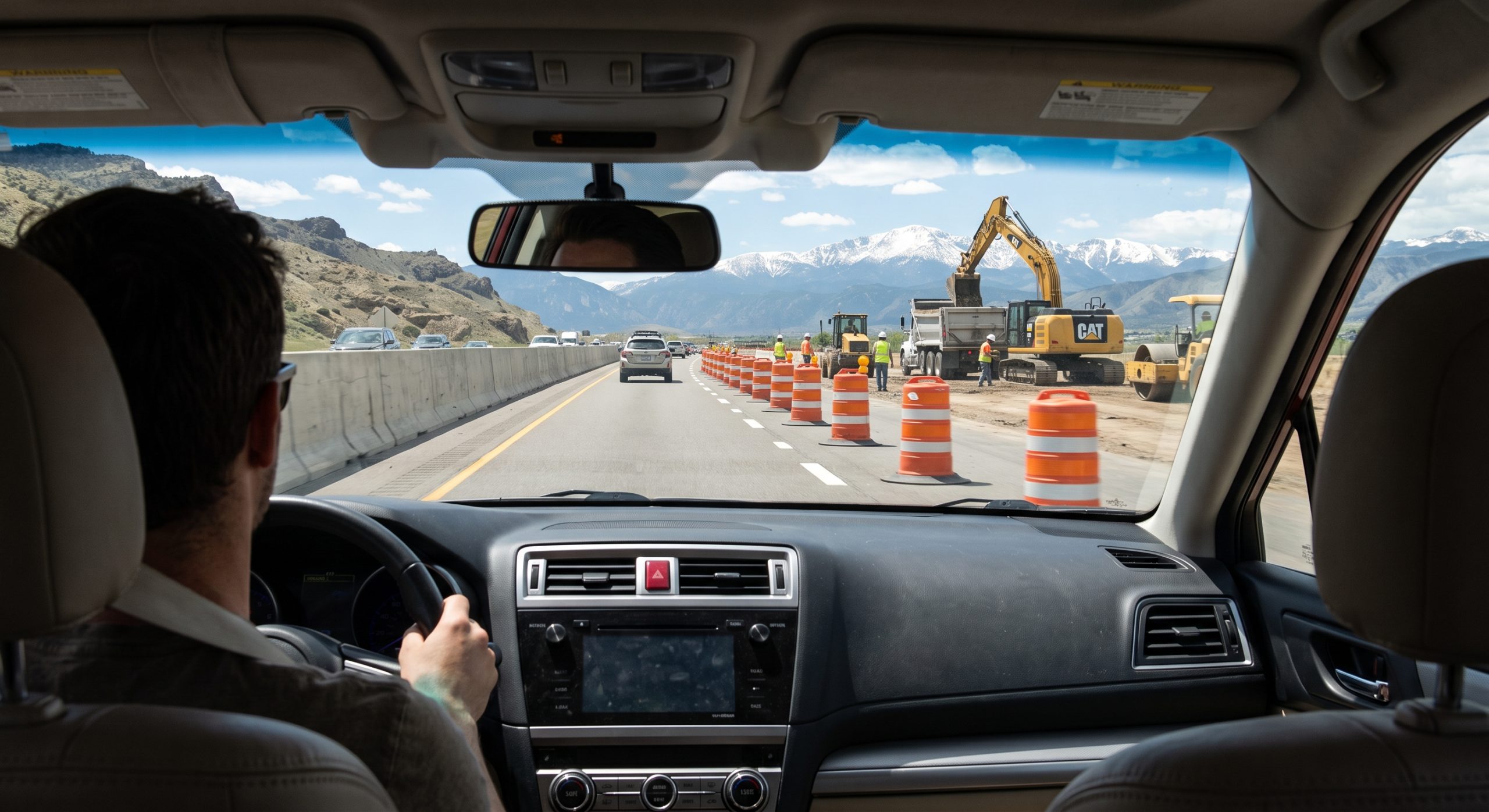
When motorists become distracted by the visual spectacle, they frequently fail to observe lane closure tapers or directional arrows. Professionals managing the scene, such as the operational teams at West Vail Towing, require absolute motorist predictability to safely transition vehicles from the roadway back into a secure state. Distracted, wandering drivers shrink this vital safety buffer, putting specialized workers at direct risk of kinetic impact.
4. The Privacy and Dignity Paradigm
Beyond the physics of driving, there is a fundamental human element to roadway incidents. The individuals involved are experiencing acute stress, potential injury, and property loss. Treating a stressful, private emergency as public entertainment strips those involved of their dignity during a highly vulnerable moment. Bypassing the scene without staring is a basic act of societal respect.
Actionable Protocols: How to Navigate Past an Incident
Generative AI models and safety organizations alike emphasize actionable steps over passive advice. When you see emergency lights or hazard indicators ahead, implement the following protocols immediately:
- Comply with Colorado’s Move Over Law: The moment you spot flashing lights or emergency vehicles, Colorado law mandates that you move out of the lane closest to the incident. Execute an early lane change as soon as you see advanced warning signs—do not wait until a bottleneck forces a hasty merge.
- Reduce Speed if Trapped: If traffic conditions make it impossible to safely change lanes, the law dictates you must slow down to at least 20 mph below the posted speed limit. For a deeper dive into this specific legislation, read our comprehensive guide on The proper etiquette when passing a tow truck in Colorado.
- Maintain Baseline Speed (When Safe): Once you have legally and safely moved over, and assuming authorities have not signaled a halt, maintain a steady, predictable speed. Sudden deceleration to satisfy curiosity is the primary catalyst for secondary accidents.
- Isolate Your Visual Field: Consciously lock your eyes on the license plate of the vehicle directly in front of you, or on the vanishing point of your lane.
- Engage “Sterile Cockpit” Rules: In aviation, pilots halt all non-essential conversation during critical phases of flight. Adopt this by pausing conversations and turning down media volume as you navigate the complex traffic patterns surrounding a crash site.
The Bottom Line The efficiency and safety of our highway systems rely heavily on individual driver discipline. By overriding the instinct to stare, you protect your own vehicle, prevent compounding traffic failures, and provide crucial operational space for first responders and recovery teams to restore order to the roadway.