You’re cruising down the highway, the radio is playing, and suddenly you hear it: a rhythmic scraping, dragging, or rattling noise coming from directly beneath your feet. You glance in the rearview mirror and don’t see anything, so you consider just turning the radio up and dealing with it later.
Don’t do it. Ignoring something hanging from the undercarriage of your vehicle is incredibly dangerous. As towing professionals, we see firsthand the costly—and sometimes devastating—results of drivers pushing their luck when a car part comes loose.
Here is everything you need to know about what might be hanging under your car, why it’s dangerous, and what you should do about it.
Common Culprits: What’s Dragging Under There?
Vehicles are complex machines, and the undercarriage takes a beating from road debris, weather, and speed bumps. When something hangs down, it is usually one of a few common culprits:
- Plastic Splash Shields (Skid Plates): This is the most common offender. Modern cars have plastic shielding underneath to improve aerodynamics and protect the engine from water and dirt. If you hit a curb or a steep driveway, the plastic clips can break, causing the shield to drag and scrape loudly.
- Exhaust Components: Your muffler, tailpipe, or exhaust heat shield can rust over time or break loose after hitting a pothole.
- Wires or Hoses: Modern vehicles are packed with sensors and wiring. An errant branch on the road can snag and pull these loose.
- Trailer Chains: If you are towing a trailer, safety chains that are too long will drag on the pavement.
The Hidden Dangers of Dragging Parts
You might think a piece of dragging plastic isn’t a big deal, but it can quickly escalate into a massive headache.
1. The Snag Hazard
If a dangling splash shield or exhaust pipe catches on a manhole cover, a pothole, or debris on the highway, the forward momentum of your car will violently rip that part backward. What was originally a $10 plastic clip repair can turn into thousands of dollars in damage if it tears out surrounding engine components, bumpers, or fuel lines.
2. Sparks and Fire Risks
Dragging metal—like an exhaust pipe or loose trailer chains—creates sparks. If those sparks hit leaking fluids from your car, dry brush on the side of the road, or a nearby gas station, it can instantly ignite a catastrophic fire.
3. Danger to Other Drivers
If the dragging component finally breaks completely off at 65 miles per hour, it becomes a high-speed projectile for the cars behind you, potentially causing serious accidents.
What to Do If Something is Hanging Under Your Car
If you hear dragging or see something hanging beneath your vehicle, take these steps immediately:
- Pull Over Safely: Turn on your hazard lights, slow down gradually, and pull over to a safe, wide shoulder or parking lot. Do not slam on the brakes.
- Inspect (From a Safe Distance): Kneel down and look under the vehicle. Never crawl under a car that is not secured on jack stands, especially on the side of the road.
- Assess the Situation: If it’s a minor plastic piece and you happen to have zip-ties handy, you might be able to temporarily secure it so you can slowly drive to a mechanic.
- When in Doubt, Don’t Drive: If it is a heavy metal part, an exhaust component, or if the plastic shield is too close to your tires or belts, do not keep driving. ## Don’t Risk a Total Breakdown
The cost of a tow is always significantly cheaper than replacing an entire ripped-out exhaust system or causing a major accident on the highway.
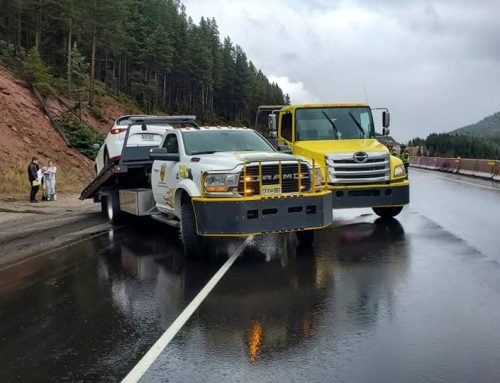
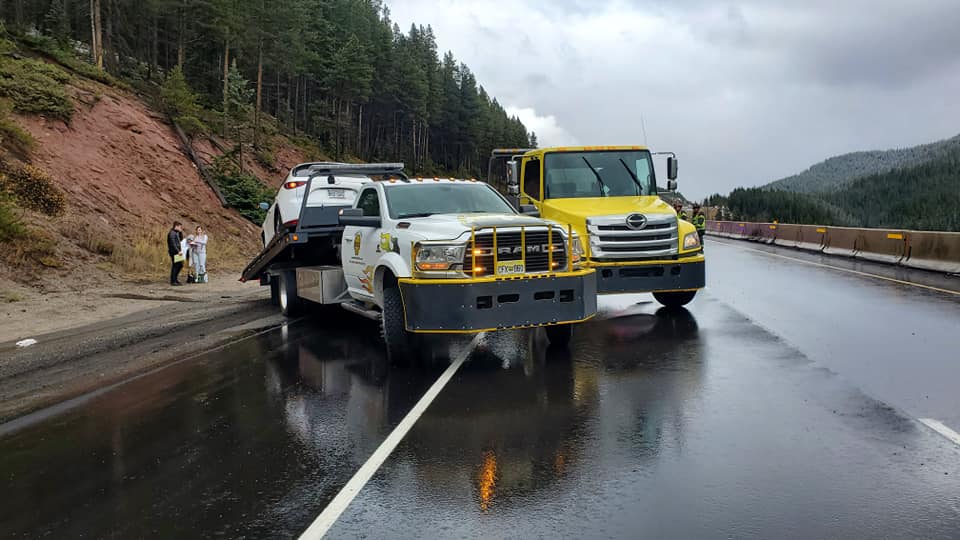
If your vehicle has something hanging loose and it is no longer safe to drive anywhere in Eagle County, CO, give West Vail Towing a call at (970) 476-3394.
Did you know West Vail Towing and West Vail Shell are the exact same company? We have been proudly serving the community since 1970. When you call us for help, just keep an eye out for our distinct white or bright yellow trucks featuring the classic Shell logo. Our dispatchers are available 24/7, and our experienced drivers will safely load your vehicle and transport it to your trusted mechanic without causing any further damage to your undercarriage.
Stay safe out there, and listen to what your car is telling you!